How to Plan Your First African Safari
The order to plan a first safari in: the experience, then the country and season, then the operator, with what it costs, what the park fees do to the total, and what a safari day actually feels like.
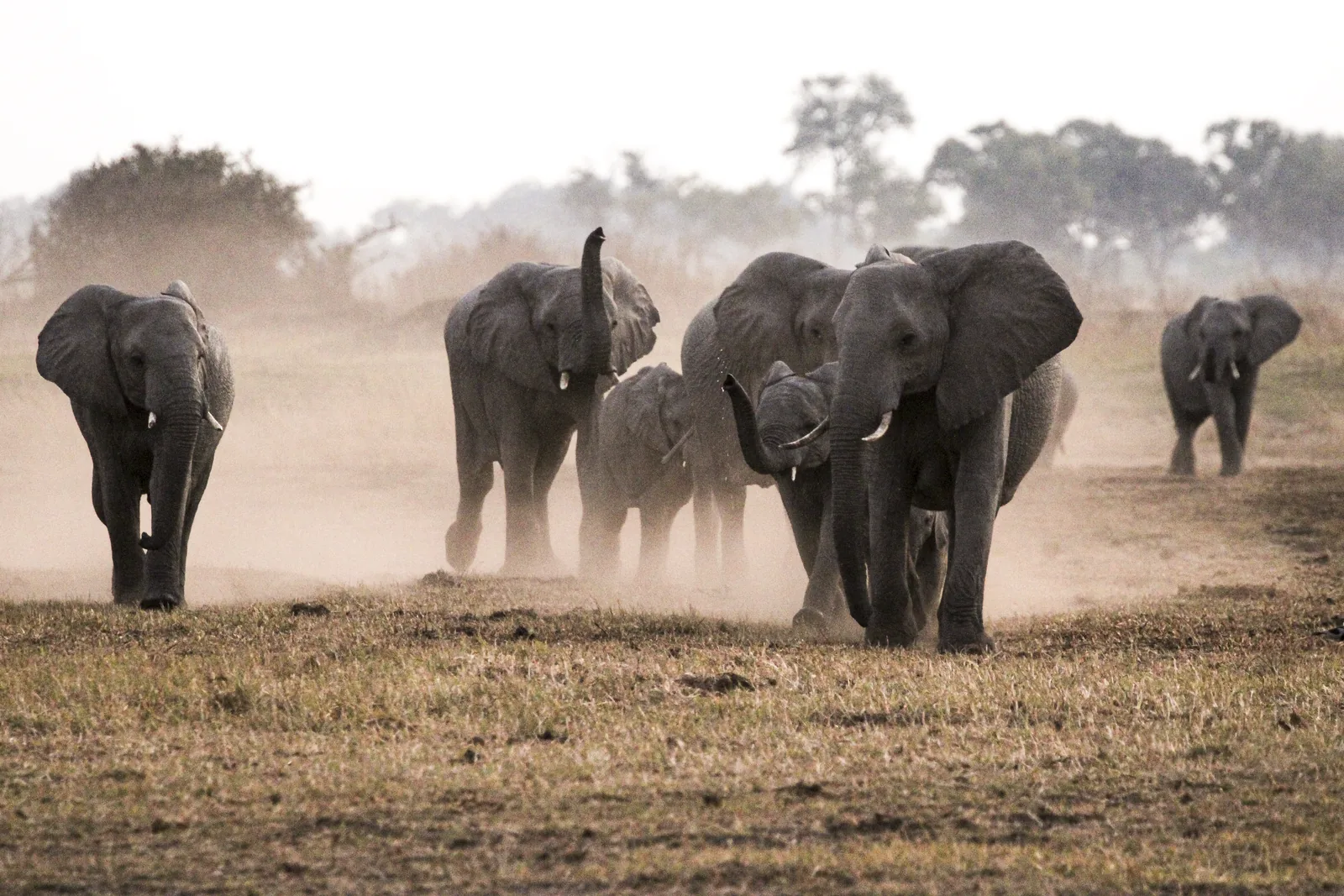
You have eleven browser tabs open, a spreadsheet with three currencies in it, and a growing suspicion that everyone else already knows something you don't. Planning your first African safari comes down to sequence, not a magic checklist. Get the order wrong and you choose a country before you know why you're going there, then discover the season doesn't suit the animals you wanted. This guide walks through that order, from what a safari actually is to the logistics that trip up most first-timers.
Quick Answer
Decide what you want to see and how you want to travel, choose the country, season and style that fit, then get three quotes with identical inclusions. Budget roughly USD 150 to 750 per person per night depending on tier, before park fees, internal flights and tips. Confirm visas on the official portals, see a travel-health clinic, ideally around four to six weeks out, and build the itinerary around real transfer times rather than map distance.
Key Takeaways
- Define the experience first: the animals, the pace and the comfort you want decide the country, not the other way round.
- Guide quality and the vehicle set-up shape your days more than lodge luxury does; ask about both before you ask about thread counts.
- Quotes only compare when the inclusions match: park fees, internal flights, transfers and the vehicle arrangement swing the total by thousands.
- Park fees are charged per person per day, set by each park's authority, and can exceed USD 100 a day in East Africa's flagship reserves.
- Pack to the smallest baggage restriction anywhere on your itinerary, usually a light-aircraft leg, not to your international allowance.
- Count nights in wildlife areas as full safari cycles: a two-night camp stay often delivers only one complete dawn-to-dusk day.
In This Article
- What is an African safari, and which style fits you?
- How to plan an African safari in the right order
- Choosing your country, style and season
- How to choose a safari operator
- How much does an African safari cost?
- Park fees: the line that changes the total
- Visa and entry requirements
- Health preparation: vaccines and malaria
- Internal flights, baggage rules and transfers
- When should you book your safari?
- What a safari day actually feels like
- Common first-timer mistakes
- Packing list and pre-booking checklist
- FAQ
What Is an African Safari, and Which Style Fits You?
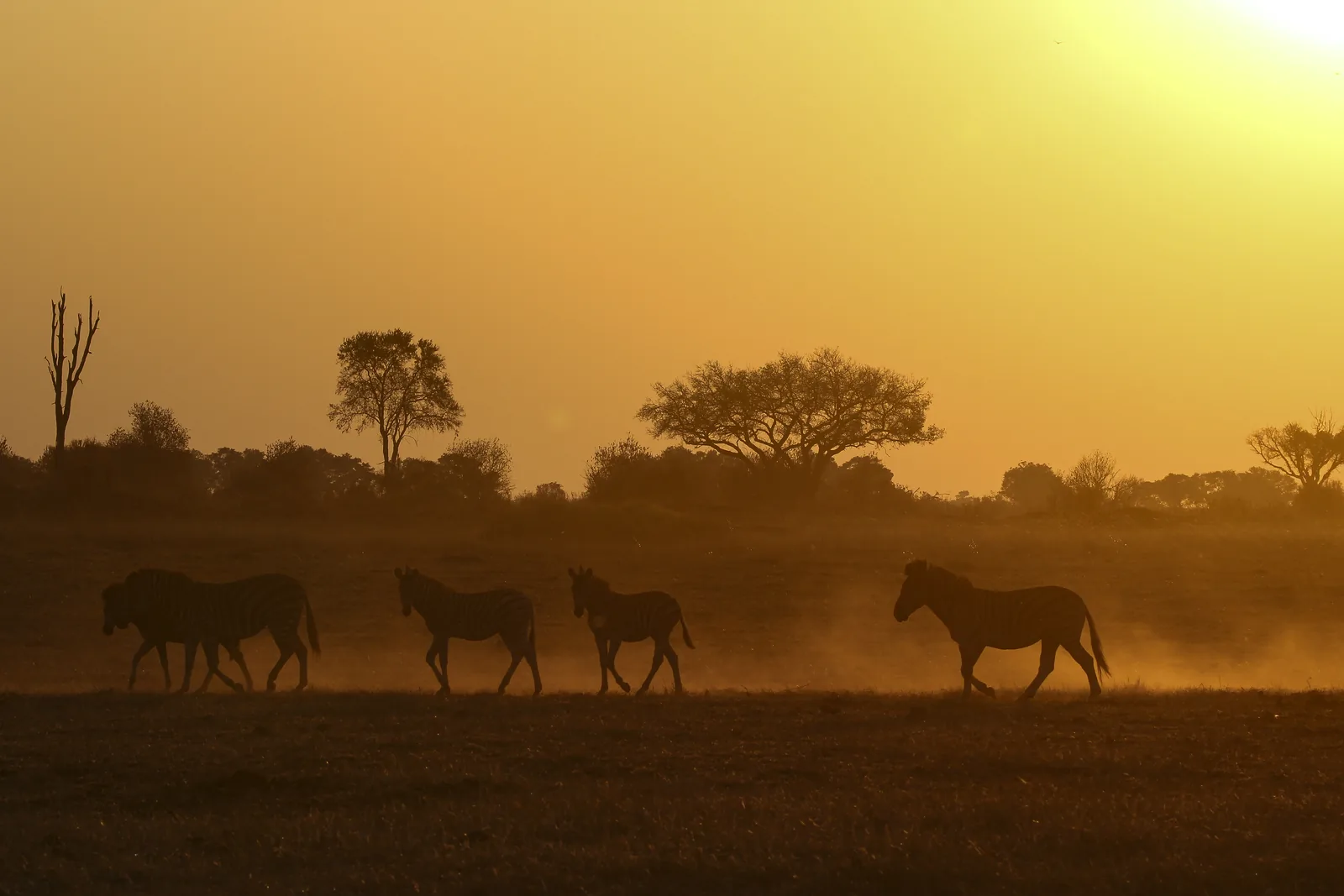
An African safari is any trip built around watching wildlife in its natural habitat, and that single word covers wildly different holidays. You can self-drive a public park like Kruger, join a guided road safari in a shared vehicle, fly between private camps, sleep in a mobile tented camp that follows the migration, walk with an armed guide, or drift through the Okavango Delta in a mokoro. Each changes your cost, your autonomy and how much wildlife you actually see.
Self-drive suits people who want freedom and can live without a guide's tracking knowledge and radio network. Guided safaris trade some independence for someone who reads tracks, knows where the leopard was yesterday, and hears about the wild dogs before you would. Private-reserve pricing usually buys off-road access, night drives and fewer vehicles at a sighting rather than just a nicer bed, so ask what the premium actually covers.
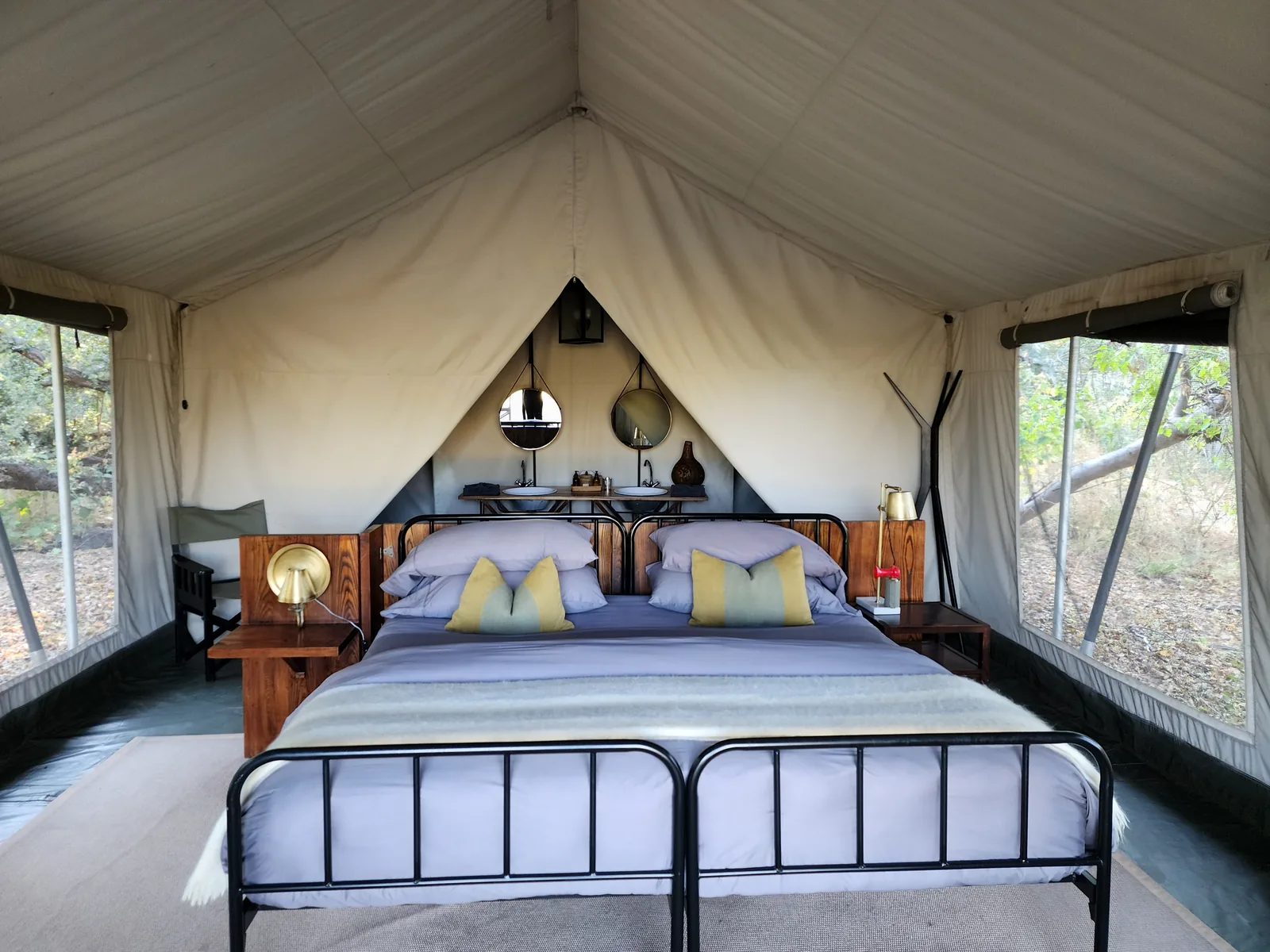
Lodge or tented camp changes your daily rhythm as much as your budget. A fixed lodge gives consistent comfort and a pool at midday; a tented camp puts canvas between you and the sounds of the bush at night, often for a similar nightly rate. Neither is the beginner option. Pick the one you'll be happier waking up in at five.
A safari is not one product wearing different price tags; it is several genuinely different holidays that happen to share a Land Cruiser.
How to Plan an African Safari in the Right Order
Start with the experience, not the map. Do you want big cats, the wildebeest migration, elephants at a waterhole, birdlife, a walking safari, or simply the feeling of being somewhere with no fences? That one answer determines which countries and which months make sense, and it is the decision most people make last.
Then decide how you want to travel: shared vehicle or private, road or fly-in, three camps or one, and how much dust and early rising you can genuinely tolerate. A traveller who hates long road transfers should choose a fly-in circuit over a mobile camp reached by six hours on a dirt track, even if the mobile camp is the more romantic idea.
Only now choose the country and the season, and only after that the operator and the individual camps. Working the other way round, choosing a famous lodge and building a trip around it, is how people end up in the right place in the wrong month.
Whichever style you choose, count nights in wildlife areas as full safari cycles rather than room nights. A two-night stay at a camp usually gives you one complete dawn-to-dusk day once the arrival and departure transfers are subtracted, a detail no booking page mentions. For many first-timers, three nights is where a camp stay starts to feel settled rather than transitional.
Choosing Your Country, Style and Season
Kenya, Tanzania, Botswana and South Africa dominate first-safari shortlists, and each suits a different traveller. The table below is a framework, not a ranking: the right country is the one that matches what you decided in the previous section.
| Country | Best for | Budget level | Self-drive possible? | Malaria-free options? | Migration? | Typical safari style | Best fit for first-timers |
|---|---|---|---|---|---|---|---|
| Kenya (Masai Mara and beyond) | Big cats, river crossings, short fly-in trips | Mid to high; budget road safaris exist | Rarely, for a first trip | No | Yes, roughly July to October | Guided, fly-in or road; lodges and tented camps | Consider Kenya if you have a week or less and want cats and drama fast |
| Tanzania (Serengeti, Ngorongoro) | Scale, the year-round migration cycle, crater plus plains | Mid to high | Rarely | No | Yes, somewhere in the ecosystem all year | Guided road circuits, mobile camps | Consider Tanzania if you have eight days or more and want variety in one loop |
| Botswana (Okavango, Chobe) | Exclusivity, water and land in one trip, few vehicles | High | Only for experienced 4x4 drivers | No | No | Fly-in camps, small and remote | Consider Botswana if quiet sightings matter more than a species count, and the budget stretches |
| South Africa (Kruger, Sabi Sand, Eastern Cape) | Flexibility, value, malaria-free choices, easy add-ons such as Cape Town | Budget to high | Yes; Kruger is built for it | Yes, several reserves | No | Self-drive, private-reserve lodges, or both | South Africa is especially useful if you're travelling with children, want to self-drive, or need a malaria-free option |
Three honest caveats. Botswana's exclusivity is real, but so is its price, and a first-timer on a moderate budget will see more for less in Kenya or South Africa. And South Africa's self-drive option is genuine value, but a self-driven Kruger day is a different product from a guided private-reserve day: you find the animals yourself, at the speed limit, on tar. And South Africa has several malaria-free safari reserves, but Kruger and Sabi Sand are malaria-risk areas.
Season is the variable most first-timers underweight. Dry season generally concentrates animals around water, thins the grass and keeps roads passable; green season lowers prices, brings dramatic skies and newborn animals, and costs you some visibility and the occasional impassable track. The migration has its own calendar, and "July to October in the Mara" is a rule of thumb, not a timetable. Match the month to your priority, not to the most photographed weeks.
How to Choose a Safari Operator Without Comparing Apples to Oranges
This is the decision that decides most of the others, and it's the one first-timers rush. You have four routes: a local operator based in the country, an international safari company, a travel adviser who books through one of the first two, or booking directly with lodges and camps. None is wrong. Local operators can often be more competitive on price for the same ground arrangements, and they know the ground; international companies add a layer of cost and a layer of accountability, useful when something goes wrong at four in the morning; advisers earn their keep on complex multi-country trips; booking direct works for a single-lodge stay and gets complicated the moment a light aircraft is involved.
Then the question that actually shapes your days: private or shared? A private safari means your own vehicle and guide; a shared one puts you in a vehicle with strangers, typically up to six or seven, on a fixed schedule. Shared is far cheaper and often perfectly good. But ask the specific questions: how many guests per vehicle at most, does everyone get a window seat, can the drive be extended if the leopard is still in the tree, and what happens if the group wants to leave when you don't.
Ask about the guide before you ask about the room. On fly-in circuits each camp supplies its own guide, so you start again at every move; on road safaris one guide often stays with you throughout, which builds a rapport that turns a good trip into a great one. Ask what language the guide works in, what qualification they hold, and, quietly, what happens if the fit is poor. A good operator has an answer.
My advice: a modest camp with an exceptional guide beats a spectacular lodge with an indifferent one, every single day. You are paying for the hours in the vehicle; the thread count is for the hours you're asleep.
Finally, the inclusions. Two quotes for "the same" seven-day safari can differ by thousands of dollars simply because one includes park fees, internal flights and transfers and the other lists them as extras. Add drinks, laundry, tips, the single supplement if you travel alone, the deposit and cancellation terms, and what emergency support actually means: a phone number, or a person who can get a plane. The table below is the audit to run on every quote before you compare a single price.
| Safari Quote Audit | What to ask | Why it matters |
|---|---|---|
| Park and conservation fees | Included for every park on the route, at the rate for my nationality? | Per person per day, and the largest hidden line |
| Internal flights | Included, with the baggage limits stated? | A missing flight is a missing leg |
| Airport transfers | Both ends of every flight? | Otherwise a taxi negotiation at a bush airstrip |
| Shared or private vehicle | Which, and what does upgrading cost? | Changes every day of the trip |
| Maximum guests per vehicle | A number, in writing | Window seats and photo angles depend on it |
| Guide included | Named or "a guide"? Qualification? Language? | The person who makes or breaks the trip |
| Same guide throughout | Yes, or a new guide at each camp? | Rapport versus a fresh start at every move |
| Drinks | Which are included: soft, local, premium? | Bar bills add up in remote places |
| Laundry | Included? Turnaround? | Decides how little you can pack |
| Tips | Guideline amounts, and who is tipped? | Budget it now, not at the airstrip |
| Single supplement | Amount, and any waivers by season? | Can be half the rate again, or more |
| Cancellation and deposit | Deposit size, refund steps, insurance required? | Safaris are booked far ahead; plans change |
| Emergency support | Who do I call, and can they move me? | Evacuation cover and a real person matter more than a brochure |
How Much Does an African Safari Cost?
Priced per person per night, safaris fall into three broad tiers: around USD 150 for budget, 350 for mid-range and 750 for luxury, with the full spread running from roughly USD 125 to 1,500, according to SafariBookings' market table as of September 2026. Those are lodge-plus-activities rates. They rarely include park fees, internal flights or international airfare, which is why a quoted nightly rate always looks cheaper than the trip.
The costs that don’t show up in the nightly rate
A cheaper camp with a longer transfer is the safari version of the cheap flight that lands at 1am.
Country moves the number as much as tier. On the same mid-range private basis, Kenya runs around USD 350 a day, Tanzania around 425 and Botswana around 650. South Africa spans the widest range of all: a self-driven Kruger trip in a national-park rest camp can be done for a fraction of an East African budget safari, while a private Sabi Sand lodge sits comfortably in the luxury tier.
Then add the fourth number: tips at about USD 15 per person per day as a guideline, travel insurance with medical-evacuation cover, which is not optional hours from a hospital, and park fees, covered next. Take the nightly rate, add the park fees for every night and the internal flights, and only then decide which tier you're really in.
Park Fees: The Line That Changes the Total
Park and conservation fees are charged per person per day, or per 24-hour window, on top of your lodge or camp rate. They are set by each park's authority, not by your operator, they vary by nationality and often by season, and on a ten-day trip they can add well over a thousand dollars per person.
Flagship East African parks are the expensive end. Fees in the Masai Mara, set by Narok County, and in the Serengeti, set by Tanzania National Parks, can exceed USD 100 per adult per day and vary by season and by park; Ngorongoro adds separate crater and vehicle permits on top. Check the issuing authority for your exact dates: the Narok County Government for the Mara and TANAPA's tariff page for Tanzania's parks. Operator and lodge websites reproduce these rates, sometimes accurately, but they don't set them.
South Africa sits at a different price point. SANParks charges international visitors R602 per adult per day and R300 per child aged 2 to 11 at Kruger, valid from 1 November 2025 to 31 October 2026, per SANParks' own rates page. At current exchange rates that is a fraction of an East African flagship fee, which is a large part of why Kruger appeals to budget-conscious first-timers.
Visa and Entry Requirements
Visa rules are nationality-specific and change often, so check the destination's official immigration portal before you book flights, and again in the week before you fly. Kenya runs an Electronic Travel Authorisation for most nationalities through etakenya.go.ke; Tanzania issues visas, including e-visas, through its immigration portal. Both state the current fee and processing time for your passport.
Take visa fees from those portals, not from a blog or a lodge page, this one included; entry requirements are among the fastest-changing parts of a safari plan. Check passport validity too; many countries want six months beyond your departure date and a blank page or two.
Health Preparation: Vaccines and Malaria
Malaria prevention is an important planning consideration for many safari regions, but risk varies by destination, altitude, season and itinerary. Kenya is a useful example: the CDC's Kenya page notes transmission in areas below 2,500 metres, which includes the Masai Mara, while parts of South Africa are malaria-free, as the country table notes. What your itinerary needs is a conversation with a travel-health clinician, not a decision made from a forum thread.
Ideally, book a travel-health appointment around four to six weeks before departure; the CDC's advice is to plan ahead because some vaccines need more than one dose. If you are travelling sooner, it is still worth seeking advice. Take the destination-specific vaccine list from the same source, and pack insect repellent with DEET or icaridin for evenings around camp, because prevention works alongside medication, not instead of it.
Internal Flights, Baggage Rules and Transfer Times
Most multi-camp safaris rely on light aircraft between bush airstrips, and their baggage rules are stricter than international flyers expect. Many light-aircraft routes require soft-sided luggage, but the exact weight, dimensions and bag type vary by carrier and country. Wilderness Air, for example, publishes a total of 20 kilograms per passenger including hand luggage, in soft bags only, as of September 2026; other carriers and countries set their own limits.
So pack to the smallest restriction anywhere on your itinerary, whether that is a Cessna leg, a helicopter transfer or a small vehicle, and not to the international allowance you're used to. Excess on these routes is charged per kilogram when it is accepted at all, and a hard suitcase may be refused on routes that specifically require soft-sided luggage.
Transfers eat more of the day than a map suggests. A 45-minute flight between camps, per Wilderness Air's route list, becomes a half-day once you add the drive to the airstrip, the wait for an aircraft that is doing three other stops, and the drive from the next airstrip to camp. Every camp move costs you roughly one game drive; three camps in seven nights costs you two. That arithmetic, more than any brochure, should decide how many camps you book.
When Should You Book Your Safari?
There is no single booking window; any one-size-fits-all number is too simplistic. Lead time depends on where, when and what.
Peak migration months in the Mara and the Serengeti, roughly July to October, are the tightest: the best-known camps fill six to twelve months ahead, and family rooms, of which most camps have one or two, go first. Botswana's small fly-in camps have a dozen tents or fewer and sell out early in any high-season month. A private vehicle, wherever you go, is a limited resource that should be reserved at the time of booking, not requested on arrival.
Shoulder months, the weeks either side of peak, can often be booked a few months out with real choice. Green season, the rainy months, is the most flexible and the cheapest, with the trade-offs already described. Whatever the season, flights, visas and the clinic appointment still need their own lead time, so "a few months" is a floor, not a target.
What a Safari Day Actually Feels Like
The rhythm is the same almost everywhere. A wake-up call in the dark, coffee at the vehicle, and a cold dawn drive with blankets and a hot-water bottle if the camp is kind, because a savannah morning in June can be close to freezing even where the afternoon hits thirty. Then hours of stop-start viewing: a long wait at a den, a slow follow of a herd, a radio call, a burst of speed. Breakfast in the bush or brunch back at camp around ten, then a long midday rest while the animals do the same. An afternoon drive from about half past three into the sundowner hour, back after dark, dinner, and bed early because it starts again at five.
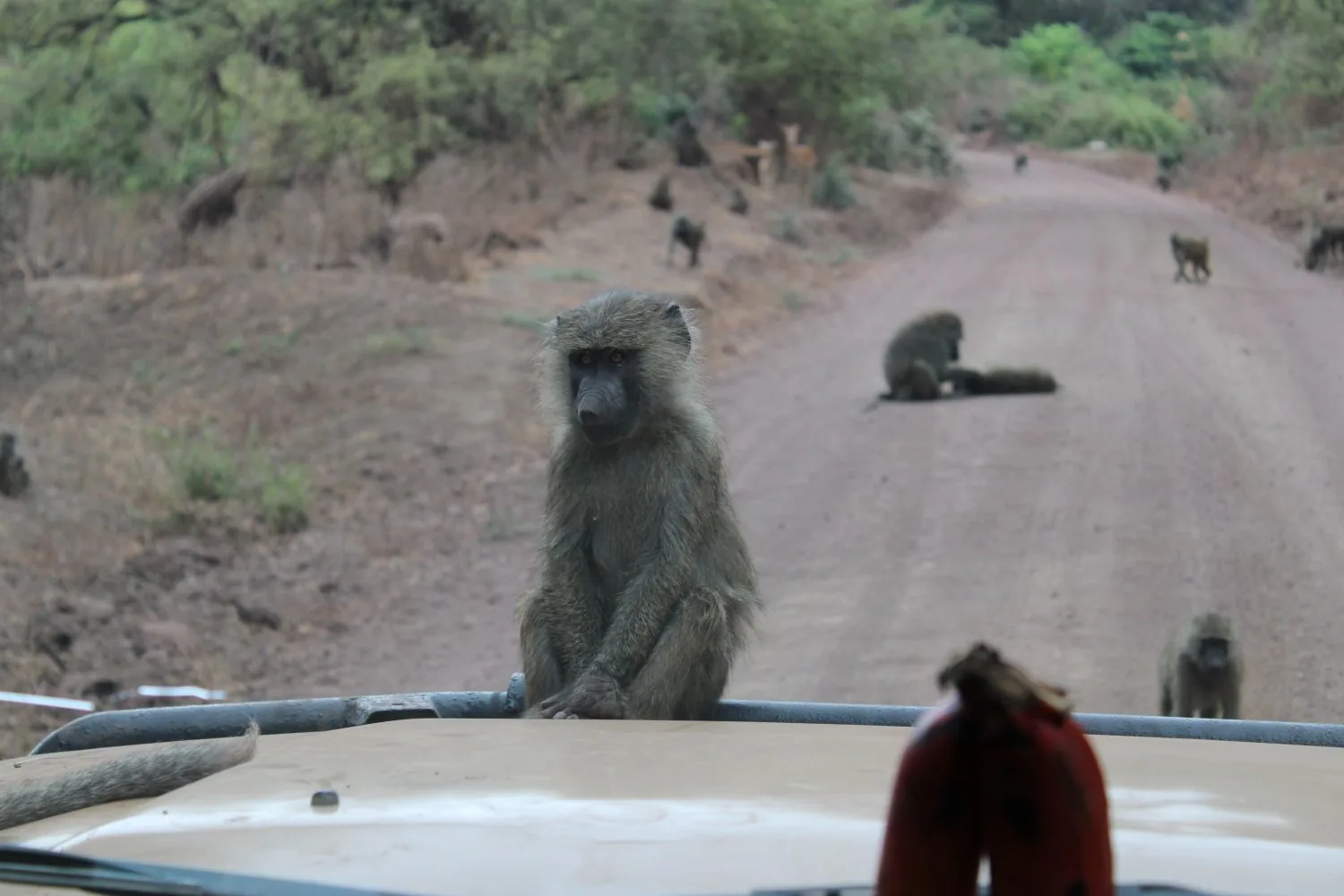
On a full, non-transfer day that is roughly six to eight hours in the vehicle, split across the two drives. What the brochures don't say is that you will not see predators constantly. Some drives are quiet. Waiting is normal, and often the point: a herd of impala is boring until you understand why they are all facing the same way. Not every drive needs maximising.
Sample shapes, to be replaced with your confirmed times: a four-day Masai Mara loop is a 45-minute flight each way from Nairobi's Wilson Airport and two full drive days; a seven-day Serengeti and Ngorongoro circuit puts three or four nights on the plains and two near the crater; a four-day Okavango stay starts with a short flight from Maun and mixes drives, boat trips and mokoro outings.
Safari fatigue is real and nobody warns you. Five o'clock starts, long hours on rough roads, constant scanning, dust in everything, temperature swings of twenty degrees in a day, and sustained excitement all add up. Many people find that after about three days a slower afternoon, a swim or a nap instead of the drive, improves every drive that follows. Treat that as a practical pattern to plan around, not a rule: some people are fine for ten days, and a quiet afternoon is a tool, not a failure.
My advice: on a stay of three nights or more, consider protecting one afternoon as optional downtime, and let the camp know. You'll take the next morning's drive with fresh eyes, and the guide will quietly appreciate the break too.
Common First-Timer Mistakes
Picking the country before defining the experience. Decide the animals and the pace first; the map comes after.
Moving camps too often. Every move costs a game drive and a morning of packing; three camps in a week is the ceiling for most people, and two is often better.
Comparing quotes with different inclusions. A cheaper quote that excludes park fees and flights is not cheaper. Run the audit above on each one first.
Assuming the most expensive lodge means the best safari. The guide, the vehicle set-up and the concession's traversing rights decide what you see; the lodge decides where you shower.
Not checking the guide and vehicle set-up. Six people in a vehicle with a middle row is a different holiday from four with a window each.
Underestimating transfer time. Build real transfer windows into the itinerary rather than trusting the distance on the map.
Packing to international limits instead of bush-flight limits. The suitcase that flew to Nairobi may not fly to the Mara.
Treating every day as mandatory dawn-to-dusk. The trip is a marathon with a very early start line.
Packing List and Pre-Booking Checklist
Pack in earth tones, khaki, olive and tan, for practicality around dust, not because bright colours scare wildlife; that myth can retire. Bring real layers for the dawn drives, a fleece and a windproof shell at minimum. The essentials:
- Passport with the validity your destinations require, printed and digital visa confirmations, and an insurance policy that includes medical evacuation
- Malaria prevention as advised by your travel clinic, plus insect repellent with DEET or icaridin
- A soft duffel packed to your smallest confirmed baggage limit on the whole itinerary
- Layers: a fleece or light insulated layer, a windproof shell, breathable neutral daywear and a warm hat for the mornings
- Binoculars, one pair each (sharing them is the fastest way to argue), sun protection, a head torch, a basic first-aid kit and small US dollar bills for tips
Before You Pay a Deposit
- Have you defined the experience you want before choosing the country?
- Does the season match that priority, not just the most photographed months?
- Have you audited at least three quotes to the same inclusions?
- Are the vehicle arrangement, maximum guests and guide confirmed in writing?
- Have you added park fees, internal flights, tips and insurance to the nightly rate?
- Have you checked the official visa portal for your nationality and dates?
- Is the travel-health appointment booked, ideally around four to six weeks out?
- Have you confirmed the baggage limit with every carrier on the itinerary?
- Do you understand the cancellation terms and who to call in an emergency?
Not sure your pre- or post-safari hotel is in the right area?
Score any hotel's location against your actual itinerary before you book it.
Frequently Asked Questions: Planning a First African Safari
How many days do I need for a first safari?
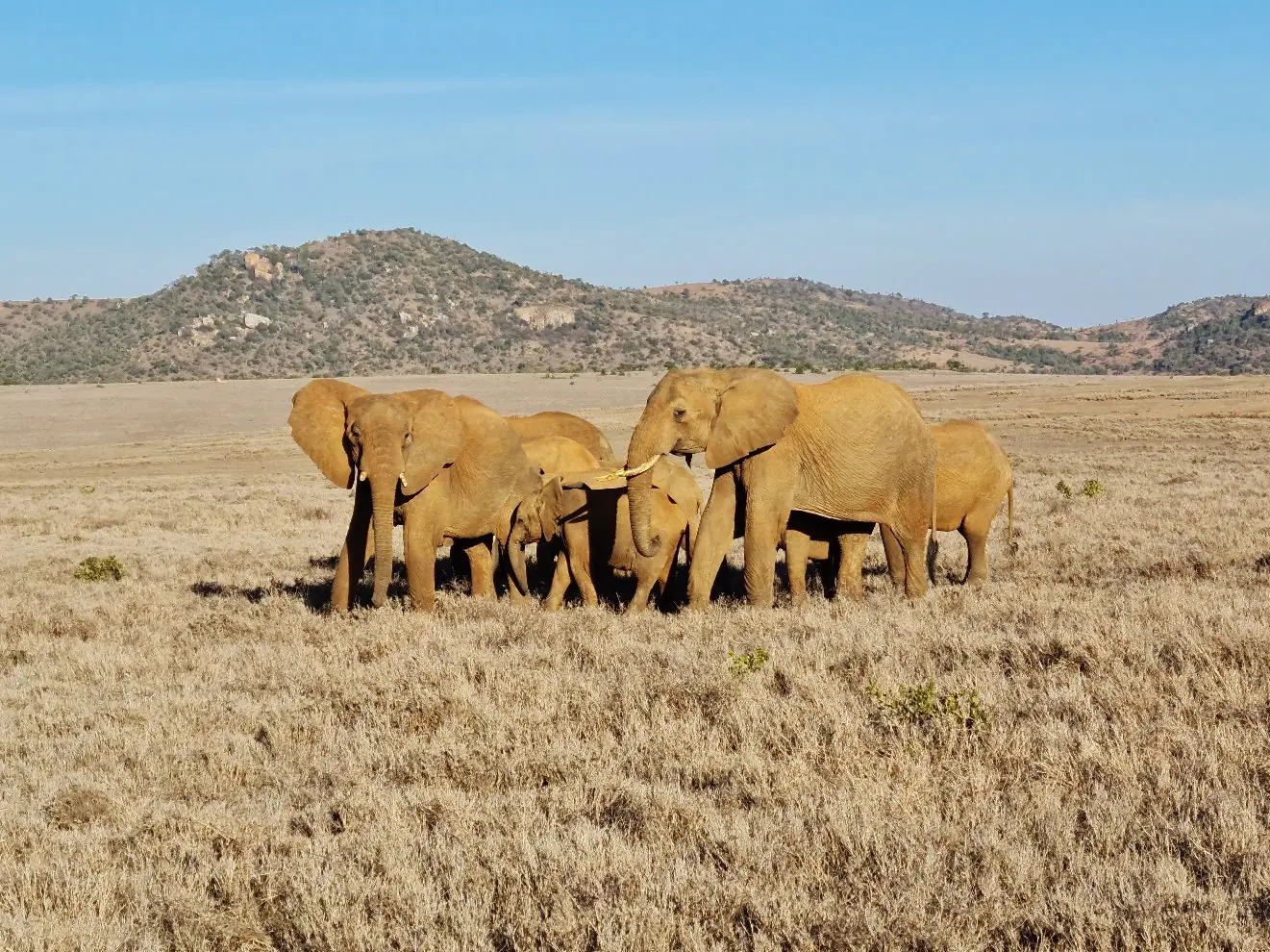
Count full safari cycles, not nights. Four days gives two full drive days in one area; seven allows two camps or a circuit; ten or more lets you combine ecosystems without spending the trip in transfers. Fewer camps with more nights each beats the reverse.
Kenya or Tanzania for a first safari?
Kenya if you have a week or less and want big cats and easy fly-in logistics; Tanzania if you have eight days or more and want the Serengeti's scale plus the crater in one loop. Neither is objectively better, and both are malaria areas, so families wanting a malaria-free option should look at South Africa.
Guide or self-drive?
Self-drive works in parks built for it, Kruger above all, and gives freedom at the cost of tracking knowledge and radio calls. Guided safaris generally improve your chances of spotting and interpreting wildlife, while also removing much of the navigation and logistics from the day. For a first safari outside South Africa, guided is the realistic default.
How far ahead should I book?
Peak migration months and small fly-in camps: six to twelve months. Shoulder season: a few months, with real choice. Green season: the most flexible. Private vehicles and family rooms go first in any season.
Can I plan it myself, or should I use an operator?
You can book a single lodge direct with confidence. The moment the trip involves light aircraft, several camps or two countries, an operator or adviser earns their margin by owning the connections and the four-in-the-morning problems. Get three quotes with identical inclusions either way.
What does a typical safari day look like?
A pre-dawn wake-up, a cold morning drive of three to four hours, brunch, a long midday rest, an afternoon drive into sunset, dinner and an early night. Six to eight hours in the vehicle on a full day, and less on any day you move camp.
How much should I budget?
Roughly USD 150 to 750 per person per night depending on tier, then park fees for every night, internal flights, tips and insurance on top. Country moves the number as much as tier does; the cost section above shows how.
What should I check before paying a deposit?
That the quote lists park fees, internal flights and transfers as included; the vehicle arrangement and maximum guests in writing; the guide's qualification and whether they stay with you; drinks, laundry and tips; the single supplement; the deposit, refund and insurance terms; and a named emergency contact.
Sources and References
- SafariBookings. How Much Does an African Safari Cost? Market table, September 2026. safaribookings.com.
- CDC Travelers' Health. Need Travel Vaccines? Plan Ahead. wwwnc.cdc.gov.
- CDC Travelers' Health. Kenya Traveler View. wwwnc.cdc.gov.
- SANParks. Kruger National Park Rates and Entry Fees, 1 November 2025 to 31 October 2026. sanparks.org.
- Tanzania National Parks (TANAPA). Visitor Information: Tariff. tanzaniaparks.go.tz.
- Narok County Government. narok.go.ke.
- Republic of Kenya. Electronic Travel Authorisation. etakenya.go.ke.
- Tanzania Immigration Department. Online Visa Application. visa.immigration.go.tz.
- Wilderness Air. Passenger Terms and Conditions, baggage allowance. wildernessdestinations.com.
- Wilderness Destinations. Wilderness Air route network. wildernessdestinations.com.