The Best Italy 2 Week Itinerary: Routes, Costs and Honest Trade-Offs
Two weeks is the length where Italy stops feeling like a checklist and starts feeling like an actual trip. The question most people bring to an Italy 2 week itinerary is whether Rome, Florence,…
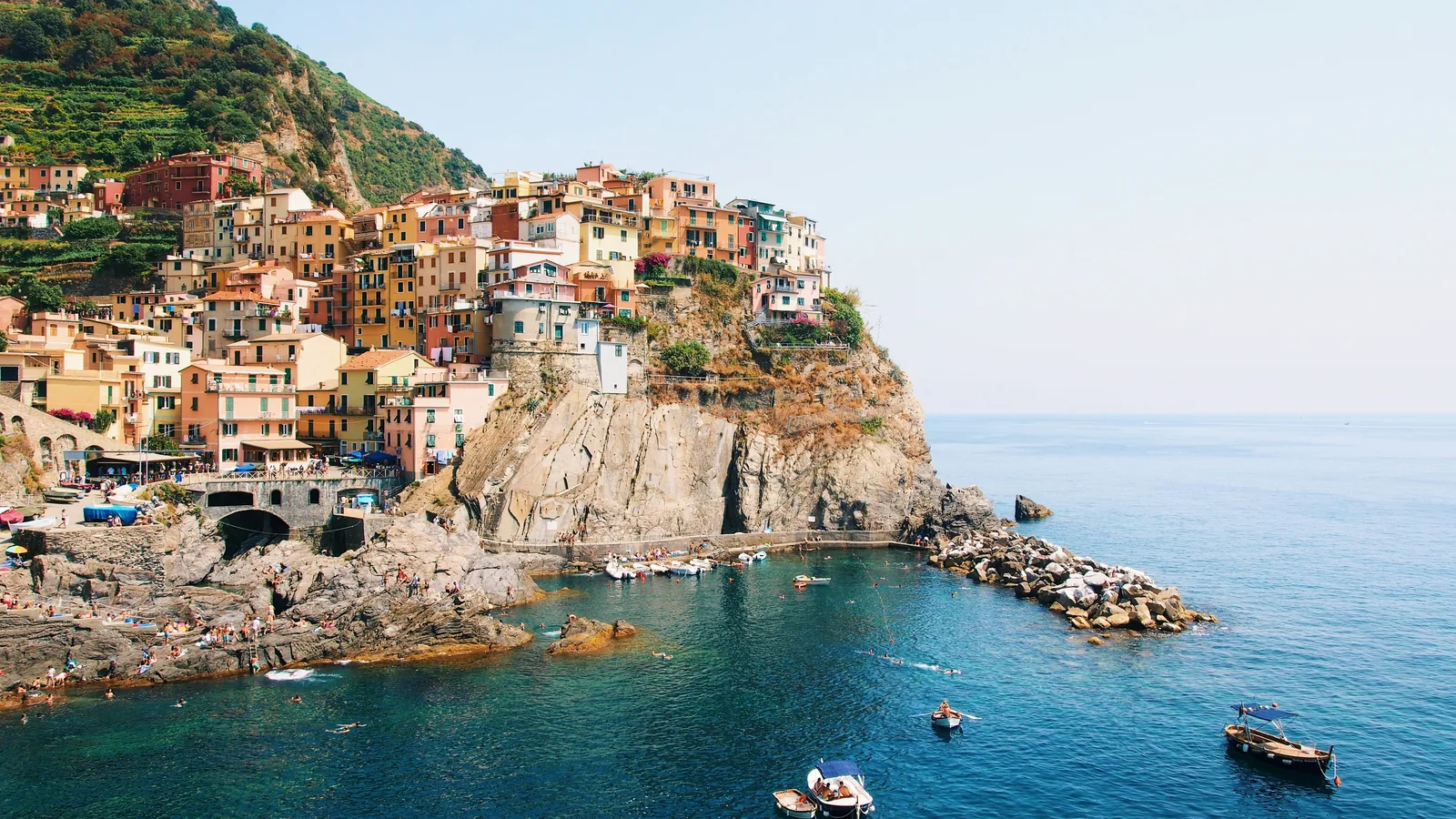
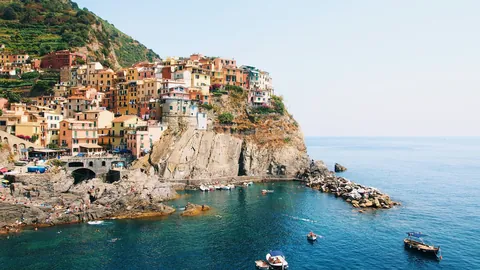
Photo: Manarola, Cinque Terre by Mika Wegelius, via Unsplash, Unsplash License
Two weeks is the length where Italy stops feeling like a checklist and starts feeling like an actual trip. The question most people bring to an Italy 2 week itinerary is whether Rome, Florence, Venice and a coastline or two will really fit into 14 days without spending half the trip moving hotels. They can, if the route runs in one direction and every base gets enough nights to be worth the unpacking.
This guide gives you the route I'd recommend for a first trip, a slower version with one coast dropped, two other ways to shape the fortnight, what it costs a couple on the ground, and whether a rail pass earns its price.
Quick Answer
For a first two weeks in Italy, I'd go Rome, Sorrento, Florence, the Cinque Terre and Venice: five bases over 13 nights, travelling by train, north all the way. It's ambitious, and if you'd rather have slower mornings, drop one coastline and give the cities a fourth night. A comfortable mid-range version costs a couple about €5,400 to €6,900 on the ground, roughly US$6,200 to US$8,000, and international flights come on top.
Key Takeaways
- Choose the shape of the trip first: one direction, few bases, no doubling back.
- My first-trip route is Rome 3 nights, Sorrento 3, Florence 3, Cinque Terre 2 and Venice 2.
- Three nights in a base means two full days, not three. The arrival day belongs to the journey.
- For a slower trip, drop one coastline rather than squeezing every stop.
- Price the trip land-only and add flights separately; departure city moves that figure too much to average.
- On a fixed route booked ahead, point-to-point tickets usually beat a rail pass once seat reservations are counted.
In This Article

The Italy 2 Week Itinerary I'd Recommend for a First Trip
For a first trip to Italy, this is the route I'd choose. It starts in Rome, dips south to the coast, then heads north without ever turning back on itself, so every train takes you closer to your flight home.
| Nights | Base | Why it earns the time | Onward |
|---|---|---|---|
| 3 | Rome | Arrival afternoon plus two full days: the Colosseum one day, the Vatican the other | High-speed train to Naples, then the Circumvesuviana to Sorrento |
| 3 | Sorrento | One day on the Amalfi Coast by bus or ferry, one at Pompeii | The long day: back to Naples, then about three hours to Florence |
| 3 | Florence | The Duomo and the Uffizi, plus a day out in Tuscany | Direct regional train to La Spezia, about two and a half hours |
| 2 | Cinque Terre | An afternoon and one full day of village-hopping by train | About four and a half hours to Venice, changing at Pisa and Florence |
| 2 | Venice | A late arrival and one full day on the canals | Fly home on day 14 |
Read the nights column carefully. Three nights gives you two full days, because the arrival day belongs to the journey, and two nights gives you one. That's why the cities get three and the Cinque Terre gets two: the villages are small enough that one full day, plus the afternoon you arrive, covers what most first-timers want from them.
The trade-off is honest and worth saying out loud. Five bases in 13 nights means four hotel changes, and two of those transfers are long: Sorrento to Florence runs to around five hours door to door once you add the Circumvesuviana back into Naples, and the Cinque Terre to Venice is four hours or more. The route works because it moves in one direction, not because it's relaxed.
If I wanted it slower
I'd drop one coastline rather than trim every stop. If you're unsure which, drop the Amalfi Coast: it removes the longest transfer day and the only part of the route south of Rome. That leaves Rome 4 nights, Florence 4, the Cinque Terre 2 and Venice 3, with a fourth Florence night that buys the Tuscany day without costing Florence itself. If the Amalfi Coast is the whole point for you, keep it and drop the Cinque Terre instead: Rome 3, Sorrento 4, Florence 3, Venice 3.
Three Ways to Shape Two Weeks in Italy
The route above is one shape among several that work. Here are the three structures I'd consider, with a published or reported example of each, so you can see how other travellers have built the same fortnight.
South-to-north classic. Rome, the Sorrento area, Florence, the Cinque Terre and Venice, all by train. This is my default, and it's a well-trodden structure: Earth Trekkers publishes a 14-day version with the same night split.
North-only loop. No Rome and no south, which cuts the long transfers and suits a second trip or a food-and-art fortnight. Rough Guides' version, updated November 2025, runs Milan, Venice, Bologna, Florence and the Cinque Terre.
Self-drive countryside route. A hire car trades train convenience for the Tuscan hill towns trains don't reach. The Passport Couple reported a November road trip from Rome to Milan with nights in Anguillara, rural Tuscany, Florence and the Cinque Terre.
| Route | Best for | Verdict |
|---|---|---|
| South-to-north by train | First trips that want Rome, Florence, Venice and a coast | My pick for a first trip, as long as you accept two long travel days |
| North-only loop | Second trips, food and art, shorter transfers | The calmer choice if Rome is done or can wait |
| Self-drive countryside | Hill towns, wineries, confident drivers | The most freedom, but keep the car out of the big cities |
Italy rewards travellers who choose a shape for their trip before they choose a wish list of towns.
How Many Nights Each Base Needs
My rule for two weeks is three nights for a major city, two for somewhere small, and never one. Not because one night is too short to see a place, but because a hotel change costs far more than the train time printed on your ticket.
Count what actually happens. You pack, check out, get to the station, wait, travel, find your way out of the new station, check in, then spend an hour working out where the nearest supermarket and the good coffee are. A two-hour train quietly becomes a half-day. An early departure costs even more than it looks, because it takes the evening before with it: that's the night you're packing instead of lingering over dinner.
Expert Insight: Budget every hotel change as half a day, whatever the timetable says. Four changes on this route is two days of your fortnight spent moving, which is exactly why a sixth base "since we're already there" costs more than the extra train suggests.
That's also why five bases in a straight line can feel easier than four that zigzag. Direction matters more than count: a route that never doubles back keeps each transfer short enough to arrive with an afternoon left.
On the two-night stops, choose your hotel by the station rather than by the view. In the Cinque Terre and Venice, a place you can walk to with a suitcase gives you back the hours a scenic but awkward address takes away.
What Two Weeks in Italy Costs for Two
Most Italy budgets are hard to use because they mix couples with solo travellers, flights with no flights, and off-season road trips with peak-season city breaks. So here's one model, built line by line for two people on the route above in September or October, land-only. International flights sit outside it, because they depend on where you fly from.
| Line, for two | Comfortable mid-range | How I got it |
|---|---|---|
| Hotels, 13 nights | €2,650 to €3,100 | Italian Hotel Monitor average room rates: Rome €190 to €214, Florence €205 to €238, Venice €251 to €274 (2025 and April to June 2026). Sorrento and the Cinque Terre priced at the Rome and Florence range, as no reliable average exists |
| Tourist taxes | €100 to €150 | Rome €6 to €7.50, Florence €6 to €7, Riomaggiore €3 per person per night; Sorrento and Venice estimated |
| Intercity trains | €270 to €465 | Trenitalia fares for October 2026, advance to flexible Base, plus the Circumvesuviana both ways |
| Coast days | €65 to €150 | Cinque Terre train card €22 to €35 each; Amalfi by SITA bus day ticket (€10 each) or ferry (€19 each way to Positano) |
| Headline sights | €325 to €380 | Colosseum, Vatican Museums, Pompeii, Brunelleschi Pass, Uffizi, Doge's Palace and St Mark's, plus the Accademia if you add it |
| Food | €1,300 to €1,850 | 13 days of one sit-down dinner for two, two casual lunches and coffee, at Numbeo's September 2026 prices, before wine |
| Tuscany day | About €200 | A group day tour from Florence to Siena and San Gimignano, from about €100 each |
| Everything else | €490 to €630 | 10% for drinks, gelato, city transport, luggage storage and tips |
| Total, land-only | €5,400 to €6,900 | Roughly US$6,200 to US$8,000 at the ECB rate of 11 September 2026 |
The budget version pulls three levers: simpler rooms, casual meals and fewer paid sights. If you find rooms averaging around €120 a night, eat two casual meals a day each, book trains in advance and keep the sights to the Colosseum, the Vatican, Pompeii and the dome, the same fortnight comes to about €3,400 to €3,900 for two, or US$3,900 to US$4,500. That €120 is a target to search for, not a market average: it sits well below every city average above. At the other end, Italy's five-star hotels averaged about €675 a night from April to June 2026, so a luxury version puts the hotels alone past €8,700.
The biggest lever is the room. Every €50 a night you save is €650 across the trip, more than the whole train budget.
Two outside figures, for comparison rather than planning. RadicalStorage's cost guide, updated September 2026, puts a mid-range fortnight for two at US$10,000 to US$13,600 including flights from the US, so it isn't like-for-like with the land-only total above. And The Passport Couple's November road trip, in a report last updated in 2024, came to US$2,900 for two excluding flights, helped by a hire car, off-season prices and cheaper out-of-town rooms. That's a real low case, not a 2026 floor, and they say themselves it isn't representative.
Point-to-Point Tickets or an Interrail Pass?
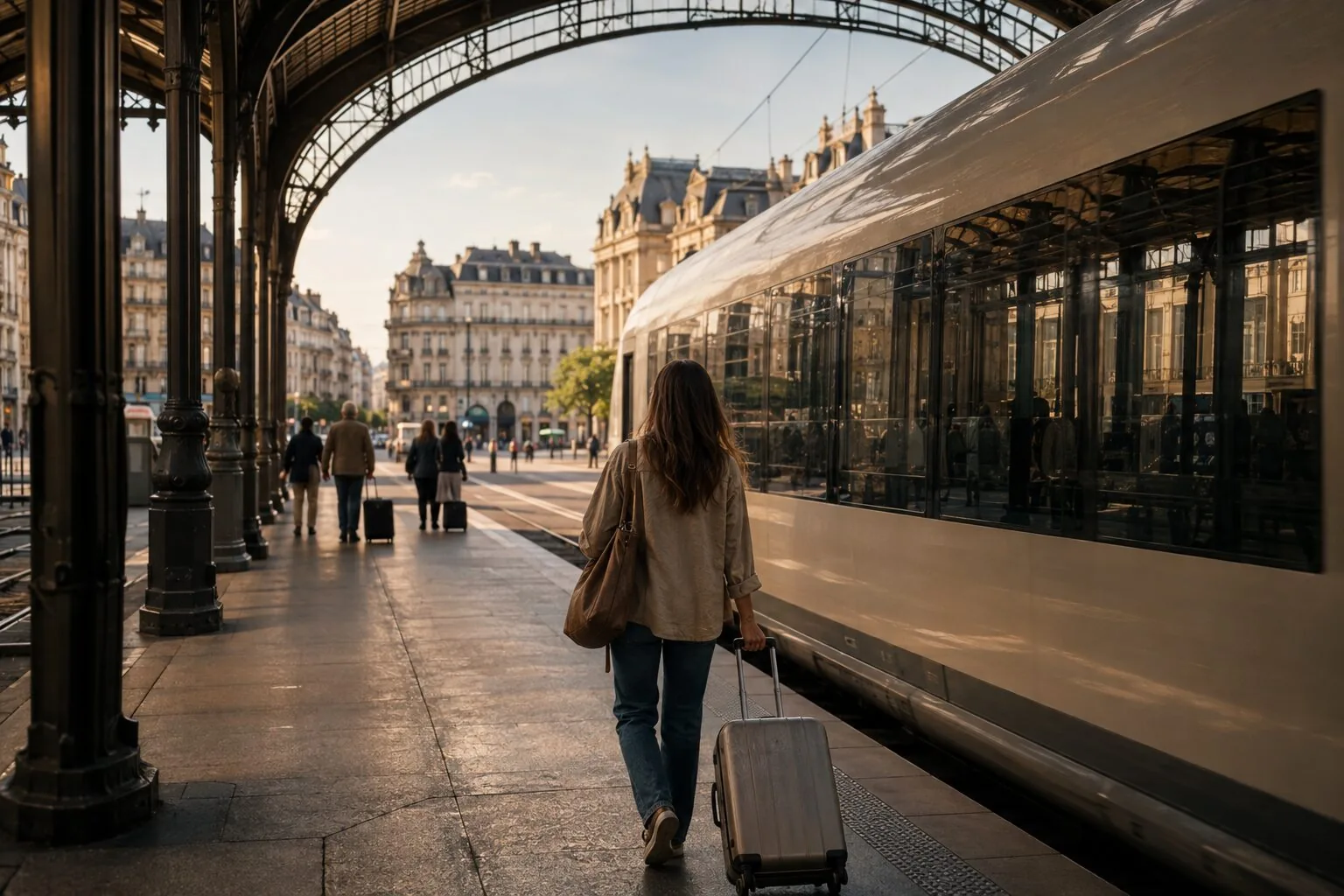
For a fixed 14-day route booked ahead, point-to-point tickets usually make more sense. A pass becomes worth it when flexibility is worth paying for.
Here's the arithmetic for this route, one adult, second class. Trenitalia's advance fares for early October 2026 came to about €135 for Rome to Naples, Naples to Florence, Florence to La Spezia, La Spezia to Venice and the Circumvesuviana both ways; flexible Base fares for the same trains came to about €231 Trenitalia. The Interrail Italy pass, sold as Eurail until the brand was retired in September 2026, costs from €165 for three travel days in a month or €196 for four on Interrail's international site Interrail. Interrail now sells it to travellers wherever they live, with one limit that catches people: you can't buy a One Country Pass for the country you live in Interrail Conditions of Use, version 19, effective 10 September 2026. Every Frecciarossa journey on a pass also needs a compulsory seat reservation at €13 in second class Interrail reservation fees, and the pass doesn't cover the Circumvesuviana at all.
Use the pass on the three long legs, buy the regional ticket to La Spezia separately, and the cheapest pass version comes to about €229. That's roughly €95 more than advance tickets and about level with flexible fares. The pass earns its place if you won't commit to trains weeks ahead, want to change plans on the day, or qualify for the youth or senior price.
Expert Insight: Count the trains that need a reservation, not just the days you travel. On this route a pass pays for the three fast trains, while the regional legs and the Circumvesuviana cost the same either way, so the pass has fewer journeys to win back its price than the itinerary suggests.
Put your own dates and fares into the comparator below. It fetches nothing; it just does the sum people usually get wrong.
Pass or Point-to-Point, for Your Route?
Put in the numbers you are actually looking at on the operators' own sites. Nothing here is fetched, and no fare is quoted — this only does the sum most people do wrong, which is forgetting the compulsory reservations.
A pass can still be worth it for flexibility even when it costs more — this tells you the price of that flexibility, not whether to pay it.
Rules checked 2026-09-10. Nothing is fetched: the sums happen in your browser.
Train, Car or Both?
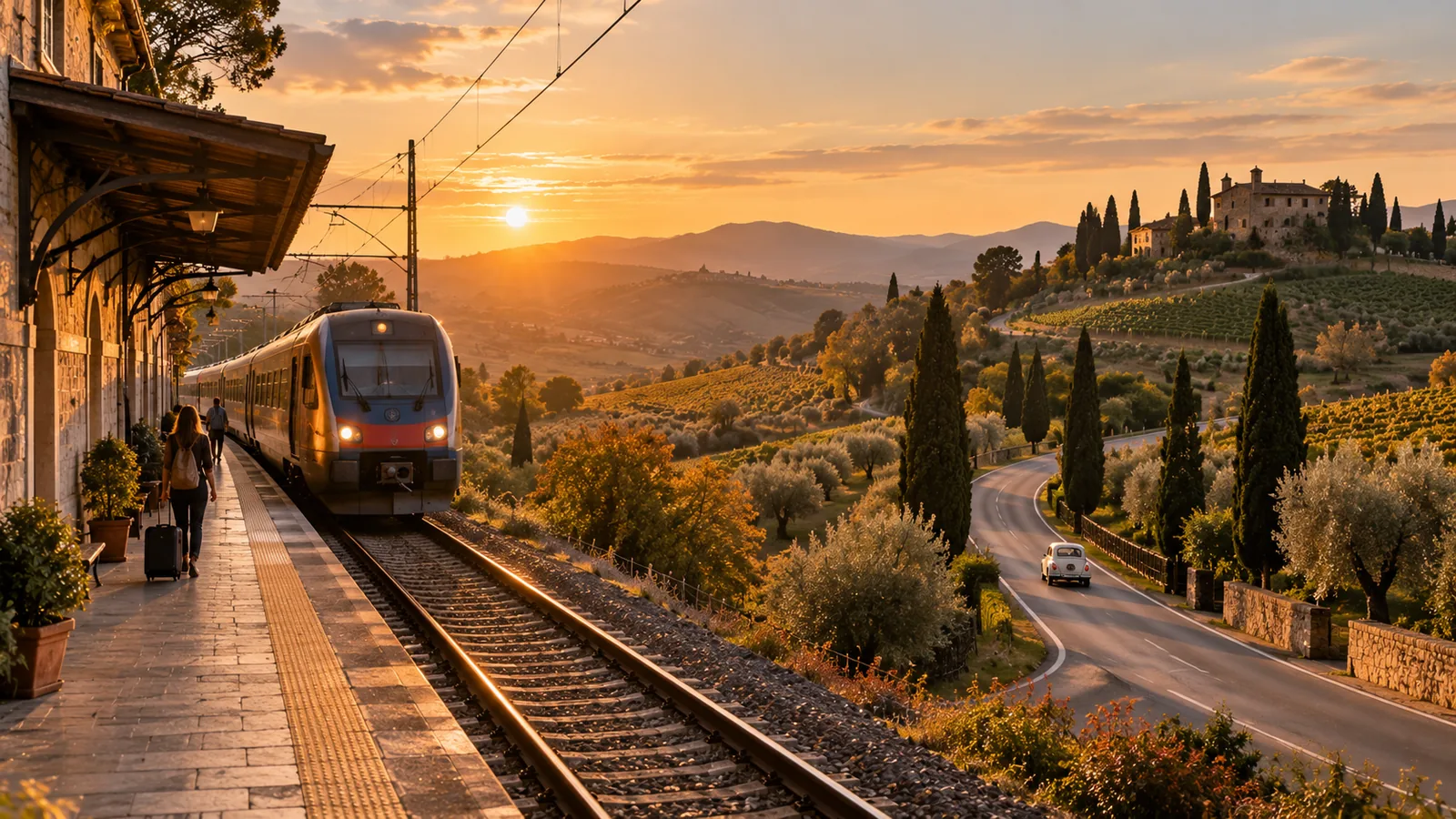
Train, for most of this route. Rome, Florence, Venice and La Spezia sit on Italy's main rail lines, and once you're in the Cinque Terre, the Cinque Terre Express stops in every village. A car would be a burden in all four places: Florence's historic centre is a limited traffic zone with cameras that record every number plate entering it Comune di Firenze, and Venice has no roads to drive on.
Sorrento works differently. The Circumvesuviana, a local commuter line, links it to Naples, and from there the Amalfi Coast means SITA buses or ferries. SITA's 24-hour Costierasita ticket costs €10 SITA Sud, and ferries run in season. Driving yourself is the worst option here: on the coast road between Vietri and Positano, alternate number-plate rules apply from 10am to 6pm every day in August and September 2026 and at weekends in October, and a hire car is exempt only to reach or leave your hotel on check-in and check-out days Comune di Praiano.
Rural Tuscany is where a car genuinely earns its keep. For one day out of Florence, either hire a car for the day and collect it outside the traffic zone, or take a small-group tour and let someone else handle the parking. If hill towns are the heart of your trip rather than one day of it, that's when the self-drive route above makes sense.
Buying the tickets
Italy's trains come in two kinds, and mixing them up is the classic first-timer mistake. The high-speed Frecce and Italo trains sell a seat on a specific departure, with prices that climb as the date approaches. Trenitalia now opens Frecce seats more than six months ahead FS News, but it releases them in blocks, so a date that isn't bookable today can open a few weeks later. Windows also shorten either side of the December timetable change. Regional trains, such as Florence to La Spezia at €15.90, have fixed fares and no seat reservation, so there's no advantage in buying early, and they only go on sale once the timetable for your date is loaded. Italo competes with Trenitalia between Rome, Naples and Florence, so check both before you book the fast legs.
Common Mistakes on a Two-Week Italy Trip
Adding a base "since we're already there" is the biggest one. Every extra stop costs a half-day of moving and pushes another city down to two nights.
Trying to cover the far south and the far north as though they were next to each other is the second. Sorrento to Venice is a long way by any train, which is why this route does it in stages, and why the slower version drops a coast.
Buying a rail pass without counting the reservations is the third. Price both sides before you commit.
Leaving capacity-limited sights until you arrive is the fourth. Brunelleschi's Dome in Florence needs a booked time slot on a named ticket, the Opera del Duomo says the availability shown online is all there is, with no extra tickets at the ticket office Opera di Santa Maria del Fiore, and slots can't be changed once booked. Book timed sights like the dome, the Vatican Museums and the Colosseum before you travel, especially in peak months, and only through the official sites. The booking countdown in our 10-day Italy itinerary works out when each one opens.
Assuming the Cinque Terre's coastal path is simply open is the fifth. On 10 September 2026 the national park reported the stretch from Corniglia to Vernazza and Monterosso closed Parco Nazionale delle Cinque Terre, and the reopened Via dell'Amore needs a booked slot. Check the park's notices the week you travel.
Before You Book
- Choose one shape: south-to-north, north-only or self-drive, and resist a sixth base.
- Give the cities three nights and small places two; never one.
- Book the Colosseum, the Vatican Museums and Brunelleschi's Dome through their official sites once your dates are fixed.
- Book the fast trains ahead; leave regional tickets until the day.
- If you use a rail pass, reserve a seat on every Frecciarossa, at €13 each.
- Check the Cinque Terre park's trail notices and book the Via dell'Amore if you want it.
- Pick two-night hotels you can walk to from the station with a suitcase.
Where you sleep in each city matters as much as which cities you choose. The free 2-minute Hotel Check scores whether a hotel sits close enough to the station or the old town to suit a trip like this, no email required.
Not Sure Your Hotel Is in the Right Area?
A badly placed hotel can quietly undo a well-planned route, one taxi and one lost morning at a time.
Score your hotel's location in 2 minutes →Frequently Asked Questions: Italy 2 Week Itinerary
Is two weeks enough for Italy?
It's enough for Rome, Florence, Venice and one or two coastlines, as long as the route runs in one direction. With both the Amalfi Coast and the Cinque Terre it's a full trip with two long travel days; with one coast it's comfortable.
What's the best two-week route for a first trip to Italy?
I'd go Rome 3 nights, Sorrento 3, Florence 3, the Cinque Terre 2 and Venice 2, all by train. For a slower version, drop the Amalfi Coast and give Rome and Florence a fourth night each, with a third in Venice.
How many bases should I have in two weeks?
Four or five. Five works when they sit in a line, like the south-to-north route; if you'd rather unpack less, four gives every base an extra night.
How many nights should I spend in each place?
Three for a major city and two for somewhere small. Three nights is two full days, because the arrival day goes to the journey, and a one-night stop is almost all transit.
Should Rome be in a two-week itinerary?
On a first trip, yes. On a second, or if you'd rather trade the long southern transfers for food and art, a north-only loop through Milan, Venice, Bologna, Florence and the Cinque Terre works well without it.
Is it better to travel Italy by train or by car?
By train for Rome, Florence, Venice and the Cinque Terre, and by bus or ferry on the Amalfi Coast. A car only earns its keep for rural Tuscany, and even then a single hire day from Florence usually does the job.
Should I buy a rail pass for two weeks in Italy?
Usually not for a fixed route booked ahead. On this itinerary the cheapest pass setup costs about €229 per person with reservations, against about €135 in advance tickets, so a pass only pays for flexibility or a youth or senior discount.
How much does two weeks in Italy cost for a couple?
About €5,400 to €6,900 land-only for a comfortable mid-range trip on this route in September or October, roughly US$6,200 to US$8,000, before international flights. A budget version with simpler rooms and fewer paid sights comes to about €3,400 to €3,900.
How can I do two weeks in Italy on a budget?
Start with the room, which is the biggest line: every €50 a night saved is €650 over 13 nights. Then book fast trains in advance, eat casually at lunch and limit paid sights to the few you'd genuinely regret missing.
Further Reading
Sources and References
- Trenitalia. Fares for Rome, Naples, Florence, La Spezia and Venice, early October 2026; Travelling around the Cinque Terre. trenitalia.com.
- FS News. Trenitalia extends advance sales for Frecce tickets, 27 March 2026. fsnews.it.
- Interrail. Italy One Country Pass; Domestic train reservation fees. interrail.com.
- Parco Nazionale delle Cinque Terre. Cinque Terre Card prices 2026; trail notice, 10 September 2026. parconazionale5terre.it.
- SITA Sud. Tickets and passes, Campania. sitasudtrasporti.it.
- Comune di Praiano. ANAS alternate number-plate order, SS163, 2026. comune.praiano.sa.it.
- Comune di Firenze. ZTL, limited traffic zone. mobilita.comune.fi.it.
- Opera di Santa Maria del Fiore. Ticket prices and FAQ. tickets.duomo.firenze.it.
- Vatican Museums. Tickets and prices. museivaticani.va.
- Gallerie degli Uffizi. Tickets. uffizi.it.
- Parco Archeologico di Pompei. Timetables and tickets, from 12 January 2026. pompeiisites.org.
- Fondazione Musei Civici di Venezia. Doge's Palace visitor information. visitmuve.it.
- Basilica di San Marco. Ticket prices. basilicasanmarco.it.
- Roma Capitale. Contributo di soggiorno tariffs. comune.roma.it.
- Comune di Firenze. Imposta di soggiorno. comune.fi.it.
- Comune di Riomaggiore. Imposta di soggiorno. riomaggiore.imposta-soggiorno.it.
- Trademark Italia. Italian Hotel Monitor, 2025 and Q2 2026, as reported by Federturismo and QuiFinanza.
- Numbeo. Cost of living in Rome, Florence and Venice, September 2026. numbeo.com.
- The Tour Guy. Siena, San Gimignano and Chianti day trip from Florence. thetourguy.com.
- European Central Bank. Euro foreign exchange reference rates, 11 September 2026. ecb.europa.eu.
- RadicalStorage. How Much Is a Trip to Italy? radicalstorage.com.
- The Passport Couple. 2 Weeks in Italy Travel Cost. thepassportcouple.com.
- Earth Trekkers. 14 Day Italy Itinerary. earthtrekkers.com.
- Rough Guides. 14 Days in Italy Itinerary. roughguides.com.
Part of Europe Itineraries, in Destinations & Itineraries.