Italy 10 Day Itinerary: The Route, Costs and Booking Guide
Rome, Florence, the Cinque Terre and Venice in ten days with the nights adding up, the trains that link them, what to book ahead and what it really costs.
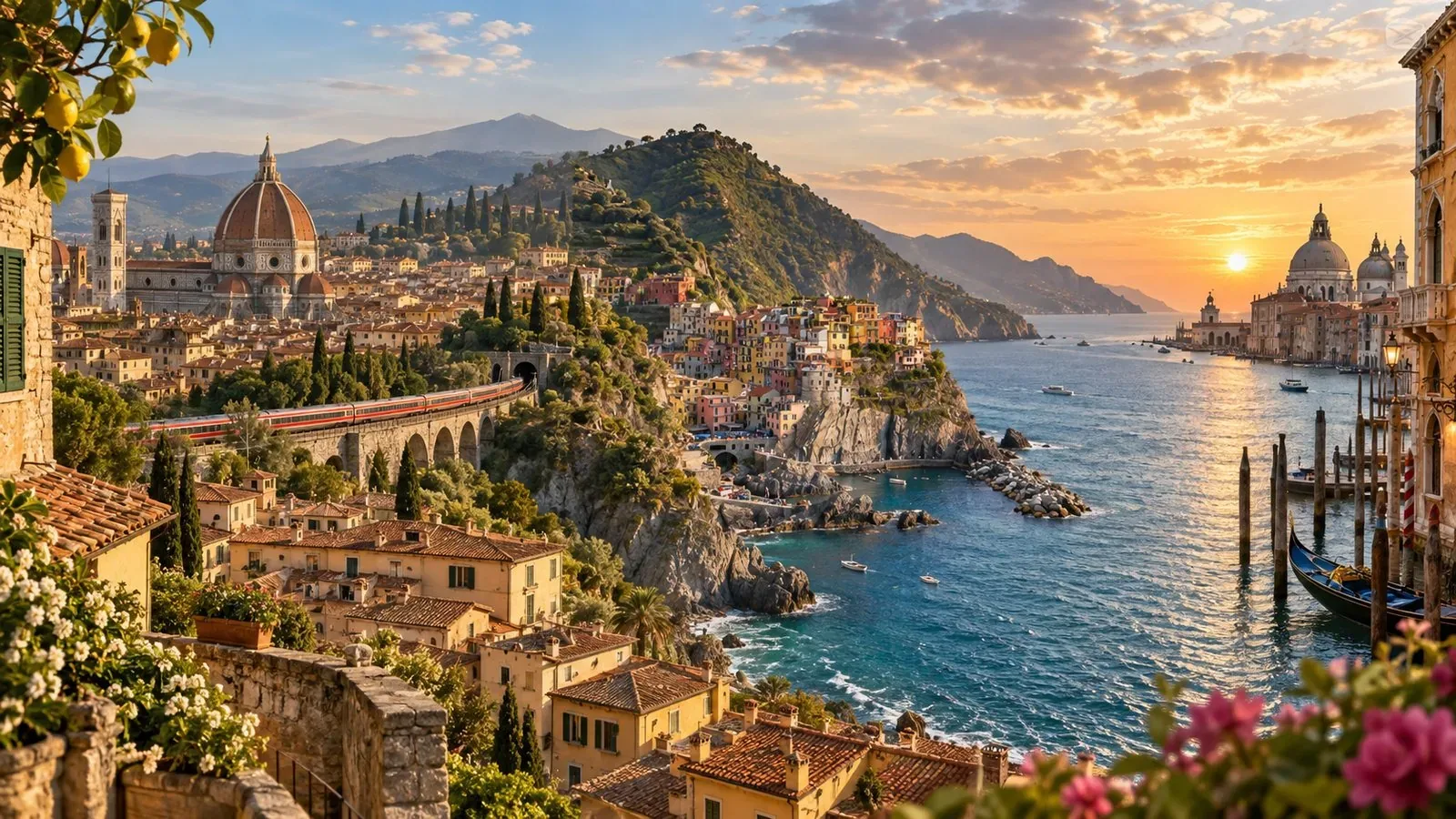
If you are staring at a map of Italy wondering whether ten days is enough, or whether you should chase the Amalfi Coast instead of the Cinque Terre, you are not alone. A well-built Italy 10 day itinerary can cover Rome, Florence and either the coast or the north without turning into a sprint, but only if you pick one route and stop trying to fit two.
This Italy 10 day travel guide, current as of 4 September 2026, lays out the two routes that actually work with the nights adding up, the trains that link them and where they stop being fast, what you need for entry, and what the same ten days costs whether you book it yourself or buy a package.
Quick Answer
The best Italy 10 day itinerary for first-timers runs Rome (3 nights), Florence (2 nights), Cinque Terre (2 nights) and Venice (2 nights), flying into Rome and out of Venice so you never backtrack. Three of the four legs are quick; the Cinque Terre to Venice leg is most of a day with a change. A separate ten-day route swaps the north for Naples, Sorrento, the Amalfi Coast and Capri, and it's the better trip for anyone who'd rather have sea than a fourth museum.
Key Takeaways
- Ten days covers four bases well but is not enough to see everything; treat it as a focused first trip, not a highlights reel of the whole country.
- The classic Rome, Florence, Cinque Terre, Venice route has no backtracking, but not every train is short: Rome to Florence is about 90 minutes, Florence to the Cinque Terre about three hours, and Cinque Terre to Venice five to six hours with at least one change.
- Two of the legs are high-speed Frecce trains with reserved seats; the Cinque Terre legs are regional and intercity trains you can't reserve. Knowing which is which is half of booking Italy.
- For this fixed route, advance point-to-point fares usually beat a Eurail Italy Pass, though it depends on pass type, your age, how early you book and how much flexibility you want.
- Visa-exempt travellers need no visa for ten days. Your passport must be valid three months beyond your departure and issued within the last ten years. ETIAS is not currently operational.
- A self-booked ten days can run well under $2,000 per person before flights; a tailor-made package for the same length starts around $2,500 per person because it measures something different.
In This Article
- What a 10-day trip realistically covers
- The classic route: Rome, Florence, Cinque Terre, Venice
- The alternative route: Naples, Amalfi and Capri
- Transport and how to book Italian trains
- Entry requirements: the Schengen rule and ETIAS
- What a 10-day Italy trip actually costs
- The best time to go
- Common mistakes and what to book in advance
- FAQ
What a 10-Day Trip to Italy Realistically Covers
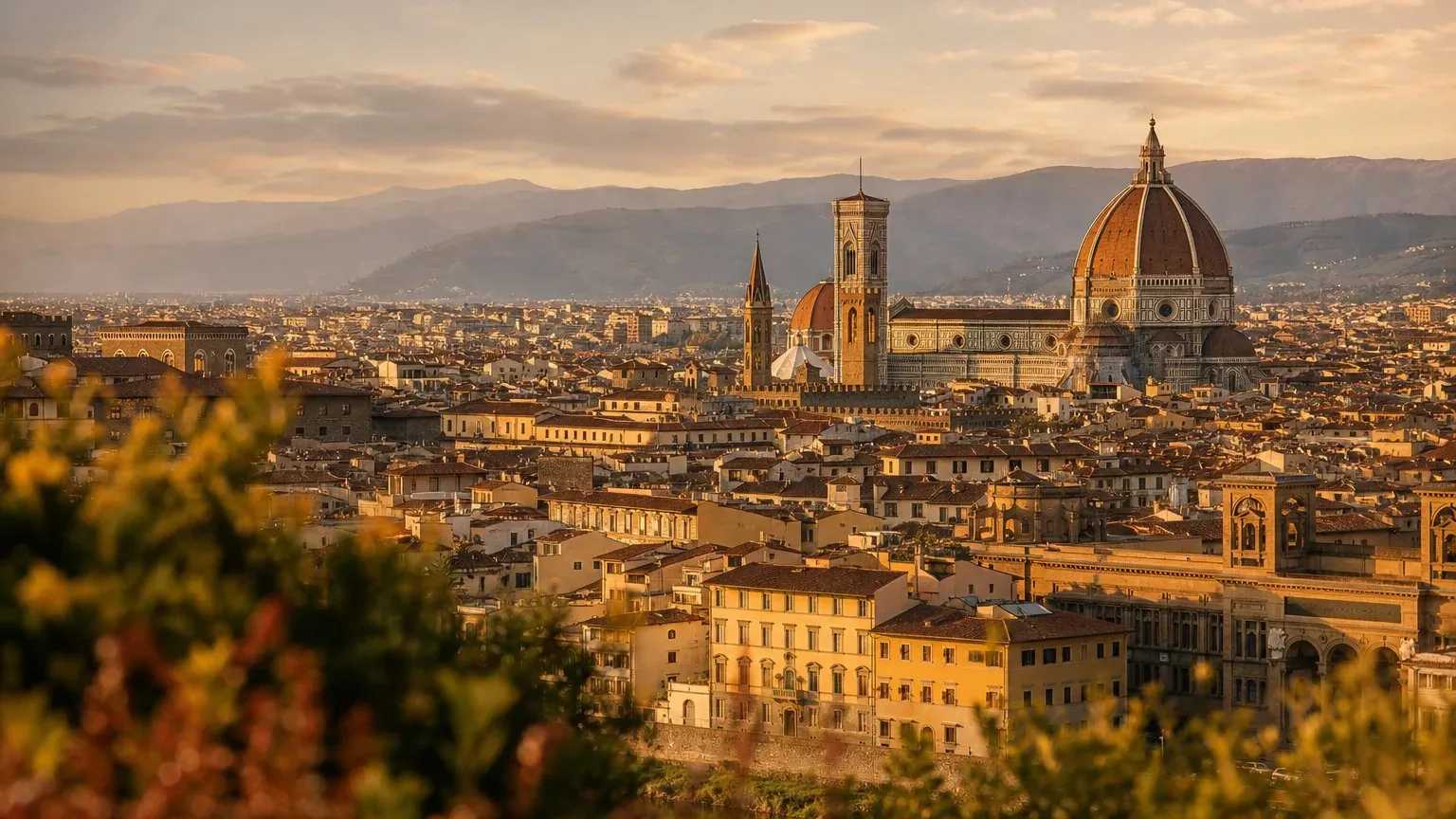
Ten days is enough for an excellent first trip, but not enough to see everything. Four bases at a fairly brisk pace is the realistic ceiling, and that means picking one region rather than the whole country. A route through Rome, Florence and one more stop gives you real time in each place instead of a string of overnights spent mostly on platforms. It's the same rule that runs through our first-time Europe itinerary: at least two nights everywhere, three where you can.
The number that matters more than the train times is the hotel changes. Nine nights across four bases means three moves, and each one quietly costs a morning: checkout, the walk or taxi to the station, the wait, the arrival, the finding of the next place. Four cities in ten days feels more tiring than the timetable suggests, which is why the routes below never go to five.
The one genuine trade-off is Rome. The old default of two nights there assumes you land in the morning. Most long-haul flights don't, and a two-night stay with an afternoon arrival is one sightseeing day for the Vatican, the Colosseum and everything between, which is not a plan, it's a queue. So the route below gives Rome three.
The Classic Route: Rome, Florence, Cinque Terre, Venice
This is the rome florence cinque terre venice itinerary most first-timers should default to. The logic is geographic: you fly into Rome, work north through Florence and the Cinque Terre, and fly home from Venice with no backtracking. Nine nights, three moves, one long day on trains.
- Days 1 to 3, Rome (3 nights): arrival day, then the Vatican on day 2 and the Colosseum, Forum and the centro storico on day 3. Base in Monti, the centro or Prati; near Termini is convenient for exactly one morning.
- Days 4 to 5, Florence (2 nights): Frecciarossa or Italo on the morning of day 4, about 90 minutes, so you're on the Duomo steps by lunch. Day 5 is the dome climb and one of the Uffizi or the Accademia, not both. Base inside the old centre, walkable to Santa Maria Novella station.
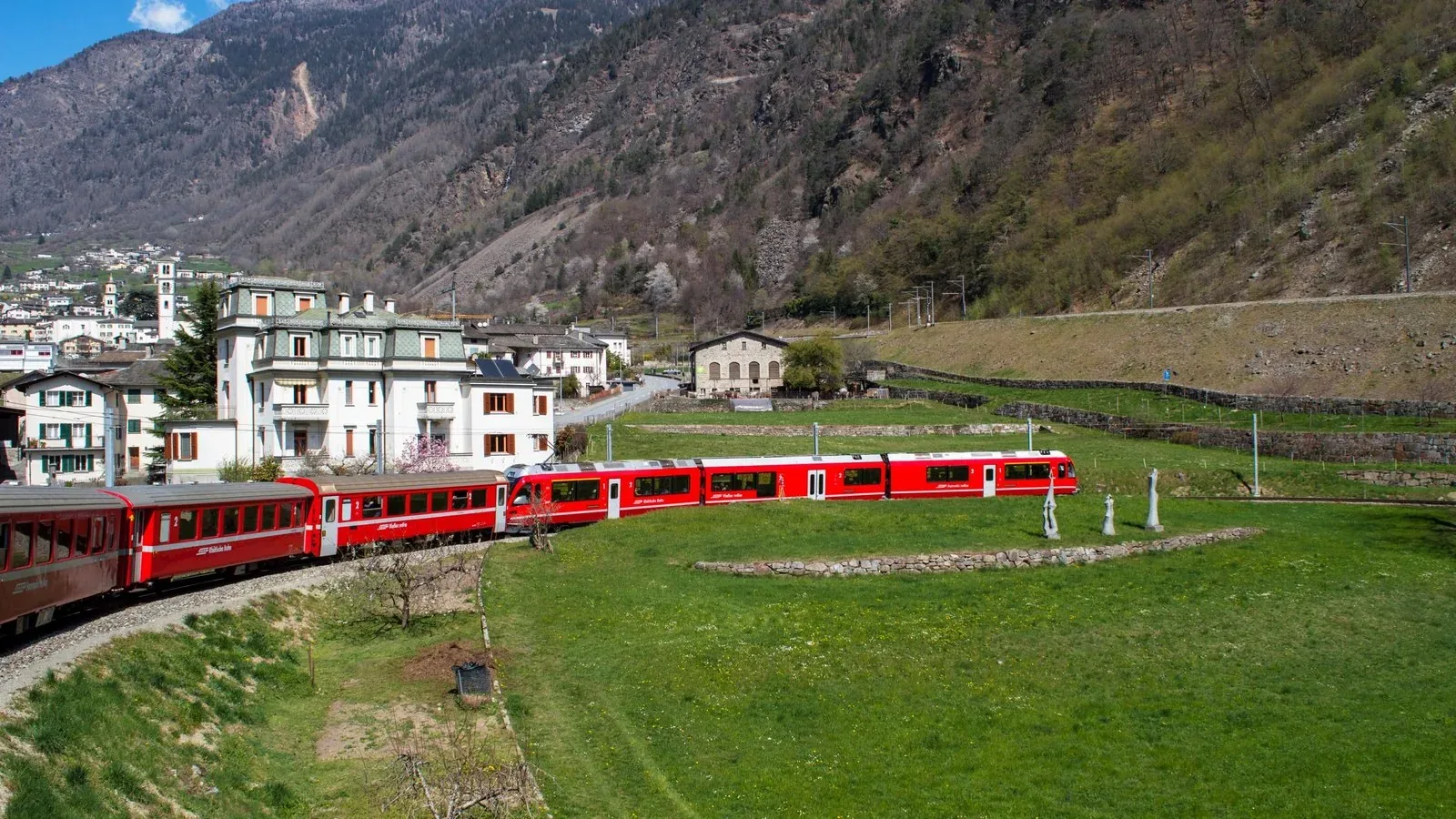
- Days 6 to 7, Cinque Terre (2 nights): a regional train to La Spezia, about two and a half hours, then the Cinque Terre Express to your village, so around three hours door to door. Day 7 is the villages and one stretch of trail. Two nights is the right length: one isn't enough to settle, three starts to feel long once you've hiked and eaten your way through Vernazza.
- Days 8 to 9, Venice (2 nights): the long leg. There's no direct train; it's a regional or intercity to Florence or Milan and a Frecciarossa on to Venice, just under five hours at best and closer to six on most connections. Leave early, arrive for an evening walk, and give day 9 to Venice whole.
- Day 10: fly home from Venice Marco Polo.
That's nine nights: Rome 3, Florence 2, Cinque Terre 2, Venice 2. Swap: if your flight lands in Rome early in the morning and you can genuinely do the Vatican on arrival day, take the third Rome night and give it to Florence for a Tuscany day trip, the wine-and-hilltop-village day that was the original version of this route. The count stays at nine either way; the question is only whether Rome or Tuscany gets the slack.
A trip that never doubles back on itself feels twice as long as one that does, even when the calendar says otherwise.
My advice: The Cinque Terre villages have steps instead of streets and no cars, and the hotel that looked like a bargain on the map is often 120 steps above the station. Book something you can reach with a suitcase in under ten minutes on foot, or stay in La Spezia or Levanto and ride the Cinque Terre Express in, which is what the villages' own residents would tell you to do in August.
The Alternative Route: Naples, Amalfi Coast and Capri
The classic northbound loop is not the only workable ten days. The southern version trades Florence and Venice for coastline, boat rides and a slower rhythm, and it suits travellers who care more about seafood and cliffside views than a fourth big city. It is also a real route with its own nine nights, not a footnote.
- Days 1 to 3, Rome (3 nights): exactly as above.
- Days 4 to 5, Naples (2 nights): Frecciarossa or Italo in about 70 minutes. Day 5 is Pompeii on the Circumvesuviana or the Campania Express, back in time for pizza where it was invented. Base in the centro storico or Chiaia, not by the station.
- Days 6 to 9, Sorrento (4 nights): the Circumvesuviana or Campania Express in about 70 minutes, and then you stop moving. Day 7 is Capri by ferry, 25 minutes each way. Day 8 is Positano and Amalfi by ferry in summer (about 40 minutes to Positano) or the SITA bus the rest of the year. Day 9 is yours: a second island, a lemon grove, nothing at all.
- Day 10: fly home from Naples, about an hour and a quarter from Sorrento by bus or train, or take the 70-minute Frecciarossa back to Rome if your flight leaves from there.
That's nine nights: Rome 3, Naples 2, Sorrento 4. Sorrento rather than Positano as the base is deliberate: it has the train, the ferry port and flat streets, and Positano's prices buy you a view you'll see from the boat anyway.
The catch with combining the two routes is direction. The Cinque Terre fits the classic route because it sits on the way from Florence to the north. Amalfi sits south of Rome, pulling in the opposite direction from Florence and Venice, so bolting it onto the northbound loop means a day going the wrong way and a day coming back. In ten days, choose. If you want Tuscany and Amalfi both, that's a two-week trip, and our realistic 2 week Europe itinerary shows the pace that makes it work.
| Route | Best for | Verdict |
|---|---|---|
| Rome, Florence, Cinque Terre, Venice (classic) | First-timers wanting no backtracking and a mix of cities and coast | Best default 10-day route; three quick legs and one long train day |
| Rome, Naples, Sorrento with Capri and Amalfi (southern) | Couples and food-first travellers prioritising coastline over a northern loop | Genuinely good, fewer moves, and the ferries do the sightseeing |
| Rome, Florence, Amalfi or Sorrento (14 days) | Travellers unwilling to compromise on either Tuscany or Amalfi | The honest fix if 10 days feels too tight for both regions |
Transport and How to Book Italian Trains
The classic route uses two kinds of train, and first-timers mix them up every week. Rome to Florence and the final run into Venice are high-speed Frecce or Italo services: you book a specific train, a seat is assigned with the ticket, and the fare rises as the date approaches, like a flight. Florence to La Spezia, the Cinque Terre Express between the villages, and the first half of the journey to Venice are regional or intercity trains: fixed prices, no seat reservation, any train that day, and a paper ticket that must be validated before boarding, or a digital one that activates itself. Turning up for a Frecciarossa with a regional ticket, or a regional train with a Frecciarossa ticket for a different departure, is the single most common train mistake in Italy.
Fares on the fast trains move like air fares, so treat these as examples rather than a price for your date. Rome to Florence runs from about €20 on the cheapest advance fares against a flexible Base fare around €50; Florence to Venice from about €20 against roughly €57. The regional Florence to La Spezia leg is a fixed €12 to €15 whenever you buy it. Trenitalia opens sales up to about four months ahead, though the window varies; the best prices usually sit four to eight weeks out, and the two figures don't conflict, one is when tickets appear, the other is when they're cheap. Italo competes on Rome to Florence and Rome to Naples, so check both.
Should you buy a rail pass instead? For this fixed route, advance point-to-point tickets are usually better value. A Eurail Italy Pass prices out at roughly €50 per travel day for a four-day adult pass, and every Frecce journey on a pass needs a €13 seat reservation on top, which is more than the cheapest advance fare for the same seat. The pass wins only if you're under 28 or over 60 and using the youth or senior discount, if you want to change plans on the day, or if you book late enough that the advance fares are gone. Price both before you decide, and if the route is fixed, book the fast trains and pocket the difference. Our Europe by train itineraries cover the pass maths for longer multi-country trips, where it flips.
Entry Requirements: The Schengen Rule and ETIAS
A ten-day Italy trip sits comfortably inside the visa-free allowance for travellers from visa-exempt countries such as the US, UK, Canada and Australia: up to 90 days in any 180-day period across the whole Schengen Area, counted as one shared clock, so days in France or Switzerland on the same trip draw from the same 90. Travellers from countries without that exemption need a Schengen visa regardless of trip length.
Your passport has two rules to meet, per the EU's Your Europe travel-document guidance: it must be valid for at least three months after the date you intend to leave the Schengen Area, and it must have been issued within the previous ten years on the day you enter. The ten-year rule catches people with passports that were extended or renewed early; check the issue date, not just the expiry.
ETIAS, the EU's travel authorisation for visa-exempt visitors, is not currently operational: no applications are being accepted and no action is required now. Its start date will be announced officially, so recheck the official EU ETIAS portal before you travel, and never pay a third-party site offering to file an application early; the only official site is on europa.eu. Since April 2026 non-EU visitors are registered digitally under the Entry/Exit System at their first Schengen entry instead of getting a stamp, so allow extra time at the airport on arrival.
What a 10-Day Italy Trip Actually Costs
Self-booked and package prices measure different things, which is why comparing them directly leads people astray. Booked yourself, in peak season, budget hotel doubles run $50 to $150 a night, mid-range $150 to $350 and luxury $350 plus; trains $20 to $60 a leg on the routes above; meals $10 to $30 a dish; entrance fees average around $55 a day on a museum-heavy route; and miscellaneous spend about $50 a day. A comfortable day of food, local transport and minor attractions works out around €70 to €120 per person before accommodation and the intercity trains. All of it moves with city, season and booking date: Venice and Florence sit above Rome and Naples, and September costs more than October.
The costs that don’t show up in the nightly rate
Ten days is long enough for the small costs to add up, and short enough that every lost hour shows.
A fully arranged package sits well above that. Rough Guides' tailor-made ten-day Italy trip is quoted from $2,508 per person, against $908 for five days and $2,875 for fourteen, described as indicative. That figure bundles accommodation, transfers, guiding and the operator's margin, which is why it looks nothing like the self-booked numbers; check what each quote includes before comparing, because flights are usually priced separately on tailor-made trips.
| Pricing basis | Best for | Verdict |
|---|---|---|
| Itemised, self-booked (USD, in-Italy only) | Independent couples and first-timers happy to book their own hotels and trains | Most transparent per-category figure, but excludes flights |
| Daily-rate planning estimate (EUR per person) | Quick day-to-day budgeting sanity check | Useful as a range, not a quote |
| Tailor-made package (USD per person) | Travellers wanting everything arranged | From about $2,500, the right figure only for a fully organised trip; confirm what's included |
Two travellers can do the identical ten days for wildly different sums, and both of them will swear they got it right.
For an Italy 10 day itinerary on a budget, the levers stay the same: budget hotels at $50 to $150 a night, eating where locals eat rather than on the tourist strip, and booking the fast trains four to eight weeks out. Couples share the biggest cost automatically, since a double room costs about the same for one or two, but meals don't halve; two people eat two dinners. A couple's realistic saving is on the room, the taxis and the museum audio guide you can split.
The Best Time to Visit on This Itinerary
April through June and September through October are the best months for this route. That window avoids both the coldest, wettest weeks and the peak-heat, peak-crowd stretch of July and August, and it lines up with the shoulder-season pricing above. Two cautions inside it: Easter week and the last week of April fill Rome and Florence with Italian school groups, and the Cinque Terre trails can close after heavy rain in early spring and autumn, so check the park's trail status the morning you plan to hike rather than the night before.
Common Mistakes and What to Book in Advance
The single biggest mistake on this itinerary is leaving timed-entry tickets too late. Vatican Museums tickets are released 60 days ahead and summer dates go three to four weeks out; Colosseum tickets are released only 30 days ahead, in timed slots, and the morning batches sell out within hours in high season; the Florence Duomo dome climb is a timed reservation that sells out weeks ahead. Those three are non-negotiable. On this exact route, two more matter: the Uffizi or the Accademia, whichever you chose, is timed and fills two to six weeks out in season, and St Mark's Basilica in Venice now runs on timed tickets released 45 days ahead. The Doge's Palace is cheaper booked 30 days out but rarely sells out. In the Cinque Terre, buy the day's trekking or train card when you arrive; it's the trail closures, not the cards, that need checking.
The second mistake is the trains: assuming every leg is a Frecciarossa, or that a rail pass is automatically the cheap option. The third is trying to force Amalfi into a northbound loop. And the fourth is the last morning. Venice Marco Polo is across the lagoon: the Alilaguna boat takes about an hour and a quarter from San Marco, the bus from Piazzale Roma about 20 minutes, and either way you need to be leaving your hotel three hours before a flight. For an early departure, spend the last night near Piazzale Roma or accept a water taxi at a price you'll remember.
Before You Book
- Pick one route: the classic Rome to Venice loop, or Rome, Naples and Sorrento. Do not try to combine both in ten days.
- Passport valid three months beyond your departure date and issued within the last ten years; Schengen visa checked if your nationality needs one.
- Vatican Museums (60 days out), Colosseum (30 days out, at release time) and the Duomo dome climb booked as soon as your dates are fixed; Uffizi or Accademia and St Mark's Basilica booked with them.
- Frecciarossa or Italo tickets for Rome to Florence and into Venice booked four to eight weeks out; regional tickets left until the day.
- Rail pass priced against point-to-point fares before buying, with the €13 Frecce reservation added to the pass side.
- Cinque Terre hotel reachable with a suitcase; last Venice night chosen with the flight time in mind.
- Official EU ETIAS portal checked close to travel; nothing paid to anyone else for it.
If you are still deciding where to stay in Rome or Florence, the free Hotel Check scores a hotel's location for you in two minutes, before you commit to a booking you cannot easily change.
My advice: On a route with three hotel changes, location beats the hotel every time. Pick places within a ten-minute walk of the station in Florence and Venice, near a Cinque Terre station in the villages, and in the neighbourhood you'll actually spend evenings in Rome. The one night to break that rule is the last one in Venice, where being near Piazzale Roma buys you an extra hour of sleep before the flight.
Not sure your hotel is in the right area?
Score any hotel's location on this itinerary in two minutes.
Frequently Asked Questions: Italy 10 Day Itinerary
Is 10 days enough time for Italy?
Yes, for a focused first trip of four bases, not for the whole country. Rome, Florence, the Cinque Terre and Venice, or Rome, Naples and Sorrento, each fit nine nights without one-night stops.
What is the best 10 day itinerary for Italy?
For first-timers, Rome 3 nights, Florence 2, Cinque Terre 2, Venice 2, flying into Rome and out of Venice. For travellers who want coastline over a northern loop, Rome 3, Naples 2, Sorrento 4 with Capri and Amalfi as day trips by ferry.
How long are the trains on the Rome, Florence, Cinque Terre, Venice route?
Rome to Florence about 90 minutes by Frecciarossa or Italo; Florence to the Cinque Terre about three hours by regional train via La Spezia; Cinque Terre to Venice five to six hours with at least one change, since there is no direct train.
Should I buy a rail pass for a 10-day Italy trip?
Usually not for this fixed route. Advance point-to-point fares for the two fast legs are typically cheaper than a Eurail Italy Pass once you add the €13 Frecce seat reservation, and the regional legs are cheap anyway. The pass can win with a youth or senior discount, late booking or a need for flexibility.
Cinque Terre or Amalfi Coast on a 10-day itinerary?
Cinque Terre fits the Rome, Florence, Venice loop because it lies on the way north. Amalfi sits south of Rome and pulls the other way, so it gets its own ten-day route via Naples and Sorrento rather than being added to the northern one.
What should be booked in advance for an Italy trip?
Vatican Museums (released 60 days ahead), Colosseum (30 days ahead, timed), the Florence Duomo dome climb, whichever of the Uffizi or Accademia you're visiting, and St Mark's Basilica in Venice. Plus the Frecciarossa or Italo trains four to eight weeks out; regional trains need no booking.
Do I need a visa or ETIAS for a 10-day trip to Italy?
Visa-exempt nationals such as US, UK, Canadian and Australian passport holders need no visa for up to 90 days in any 180. Your passport must be valid three months beyond your departure and issued within the last ten years. ETIAS is not currently operational and no applications are being accepted; check the official EU portal before you travel.
How much does a 10-day Italy trip cost per person?
Self-booked, well under $2,000 per person before flights is achievable at a mid-range pace, varying by city and season. A tailor-made package for the same ten days starts around $2,500 per person, but it bundles accommodation, transfers and guiding, so compare like with like and check whether flights are included.
Sources and References
- European Union, Your Europe. Travel documents for non-EU nationals: passport validity rules. europa.eu
- European Union. ETIAS official travel portal. travel-europe.europa.eu
- European Commission. Entry/Exit System (EES). home-affairs.ec.europa.eu
- Trenitalia. Frecciarossa, Intercity and Regionale services; Cinque Terre Express. trenitalia.com
- Italo. Rome to Florence and Rome to Naples high-speed services. italotreno.com
- The Man in Seat 61. Train travel in Italy 2026: fares, booking horizons and rail pass reservations. seat61.com
- Eurail. Reservation fees for Italian high-speed trains. eurail.com
- Parco Nazionale delle Cinque Terre. Cinque Terre Card and trail status. parconazionale5terre.it
- Parco archeologico del Colosseo, Musei Vaticani, Opera del Duomo Firenze, Gallerie degli Uffizi, Basilica di San Marco. Official ticketing pages.
- Earth Trekkers. Itemised self-booked costs for a 10 day Italy itinerary. earthtrekkers.com
- Rough Guides. Tailor-made 10 day Italy trip, indicative pricing. roughguides.com