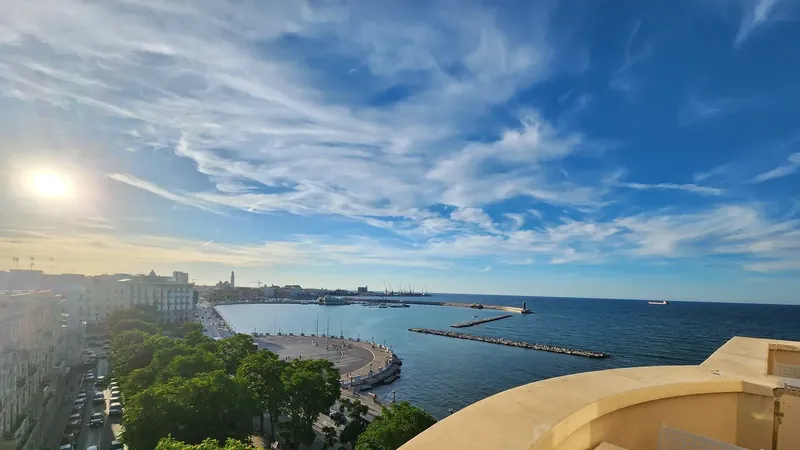
Best Places to Travel in January: Sun, Snow and Savings
Deciding where to go comes down to one honest trade-off: warmth versus rain, sunshine versus cost, long summer days versus the Northern Lights. Working out the best places to travel in January means…

January is the month with the widest spread of good options in the travel year, and the worst reputation for it. While the northern hemisphere is dark and expensive, half the planet is in dry season, the other half is in high summer, and the ski countries are at their best. The problem is not a shortage of destinations. It is that "warm in January" and "good in January" are different lists.
What follows is 24 places that earn January specifically — not the same eight islands every roundup repeats. Each one says why the month works, who it suits, and what you are accepting, because every January destination is a trade of something.
Quick Answer
For reliable winter sun close to Europe, the Canaries and Madeira. For genuinely dry tropics, Costa Rica's Pacific coast, Colombia's Caribbean, southern Sri Lanka and Oman. For summer, New Zealand, Tasmania and Patagonia — but January is their peak season, not their bargain. For snow, Hokkaido and the Japanese Alps have the deepest reliable powder of the year. And if you want somewhere genuinely different, January is the last full month of Svalbard's polar night.
Key Takeaways
- Pick the region, not the country. January is dry in south-west Sri Lanka and wet in the north-east; dry on Costa Rica's Pacific coast and not on its Caribbean one.
- Winter sun near Europe means mild, not hot. The Canaries and Madeira are comfortable in shirtsleeves, not reliable swimming weather for everyone.
- Southern-hemisphere summer is peak season. New Zealand in January is school holidays and top pricing, not a quiet escape.
- January is the best powder month in Japan — and the Sapporo Snow Festival is in February, so January skiing avoids those crowds.
- Aurora season is not an aurora guarantee. Iceland and Arctic Norway sell conditions, not sightings.
- January's value varies enormously: low season in Andalusia and Liguria, premium peak in Patagonia and the Alps.
In This Article
What January Actually Decides
Three things separate a good January trip from a disappointing one, and none of them is temperature alone.
Dry season beats warm season. Plenty of places are hot in January and raining hard. The tropics do not have summer and winter, they have wet and dry, and the dry months are the ones worth flying for. Bali is 30 °C in January and in the middle of its wettest stretch of the year.
Your winter is not their low season. January is deep off-season in Andalusia and deep peak in Queenstown. The southern hemisphere is not just warm in January, it is on school holidays, which is a different thing from a bargain.
Hours of daylight are part of the destination. Reykjavík gets a short working day in January and Longyearbyen gets none at all. For some trips that is the appeal. For a family sightseeing holiday it is a constraint nobody mentions until they are there.
My advice: pick the region, not the country, wherever seasonal weather splits a country in half — which in January is most of the interesting ones. "Sri Lanka in January" is meaningless: the south-west coast is in its dry window while the north-east is wet. The same is true of Costa Rica's two coasts, of Japan from Kyushu to Hokkaido, and of Australia from Melbourne to Darwin. A country-level recommendation in this month is usually a sign that nobody checked.
The January Shortlist
Value is relative and seasonal, not a daily budget: $ is genuine low season, $$ shoulder or ordinary, $$$ high season, $$$$ premium peak where January is the most expensive month of the year.
| Where | Why January | Season signal | Value | Main trade-off |
|---|---|---|---|---|
| Tenerife | The most reliable mild sun within four hours of northern Europe | Mild, mostly dry in the south | $$$ | Busy with winter-sun regulars; not hot |
| La Gomera | Same climate, a fraction of the people, laurel forest hiking | Mild, wetter uplands | $$ | Ferry or small plane; little nightlife |
| Madeira | Mild, green and built for walking rather than lying down | Mild, showers likely | $$ | Not a beach holiday |
| Cape Verde | Warmer than the Canaries, Atlantic swell, reliable sun | Warm, dry, windy | $$ | Windy; limited beyond the resort islands |
| Andalusia | Seville and Cádiz without queues or heat | Cool, some rain | $ | Too cool for the coast |
| Guanacaste, Costa Rica | The driest stretch of Costa Rica's driest season | Hot, dry | $$$ | Peak season prices; the Caribbean side is wet |
| Cartagena, Colombia | Caribbean dry season with a walled city attached | Hot, dry, breezy | $$$ | Peak month; hot and humid midday |
| Barbados | Dry season, dependable trade winds | Warm, dry | $$$$ | The most expensive month there |
| Caye Caulker, Belize | Reef access without a resort economy | Warm, drier | $$ | Occasional northern fronts; basic infrastructure |
| Culebra, Puerto Rico | Caribbean beaches with almost no resort development | Warm, drier | $$ | Ferries are unreliable; very little to do |
| South-west Sri Lanka | Dry-season coast plus tea country and ruins | Hot, dry in the south-west | $$ | The north and east are wet now |
| Kerala | India's most comfortable month here | Warm, dry | $$$ | Peak domestic and international season |
| Oman | Arguably the single best month of the Omani year | Warm days, cool nights, dry | $$$ | Peak season; nights are genuinely cold in the desert |
| New Zealand | High summer, long days, everything open | Warm, changeable | $$$$ | School holidays and the year's highest prices |
| Tasmania | Summer without mainland Australian heat | Mild to warm | $$$ | Peak season; weather changes fast |
| Melbourne and the Great Ocean Road | Long evenings and a coast road at its best | Warm, occasionally very hot | $$$ | Heat spikes; holiday traffic |
| Patagonia | The reliable trekking window, and it is short | Mild, extremely windy | $$$$ | Peak crowds, peak prices, book far ahead |
| Hokkaido | The deepest, driest powder of the Japanese winter | Very cold, heavy snow | $$$ | Serious winter logistics |
| Nagano and the Japanese Alps | Snow, onsen and the snow monkeys in their element | Cold, snowy | $$$ | Busy at weekends; transfers take time |
| Iceland | Aurora season, ice caves, a country nearly to yourself | Cold, wet, windy, dark | $$ | Four to five usable hours of light; roads close |
| Svalbard | The last full month of true polar night | Dark, cold | $$$ | No daylight at all; limited activities |
| Slovenia and the Julian Alps | Alpine winter at a fraction of Austrian or Swiss prices | Cold, snowy | $$ | Smaller ski areas; snow less certain than higher Alps |
| Genoa and Liguria | An Italian city with no queues, and snowshoes an hour inland | Cool, damp | $ | Coastal towns largely shut |
| Bali | Green, cheap and quiet — if you accept the rain | Hot and wet; wettest stretch of the year | $$ | This is the monsoon. Plan around it or go elsewhere |
Winter Sun Without the Long Haul
Tenerife remains the anchor for a reason: it is the most dependable mild sun within four hours of northern Europe, the south of the island is drier than the north, and the infrastructure is built for exactly this. Best for a straightforward week of warmth without a long flight. Trade-off: it is mild rather than hot, and you are sharing it with everyone else who worked that out. Skip it if you want empty beaches or guaranteed swimming weather.
La Gomera is the quieter answer to the same question. A ferry from Tenerife brings you to an island of laurel cloud forest, deep ravines and walking routes rather than resorts. Best for hikers and anyone who finds Tenerife's south too built-up. Trade-off: the uplands are wetter and cooler than the coast, and evenings are quiet. Skip it if you want nightlife or a short transfer.
Madeira is mild, green and vertical, and it is the strongest January choice for people who want to be outdoors rather than horizontal. The levada paths work all winter. Best for walkers and photographers. Trade-off: showers are likely and this is not a beach holiday in any conventional sense. Skip it if you are picturing a sunlounger.
Cape Verde sits far enough south to be reliably warmer than the Canaries, with steady sun and Atlantic swell. Best for winter sun with a bit more heat, and for windsports. Trade-off: it is genuinely windy, and infrastructure outside the main resort islands is thin. Skip it if you want calm water or European-level logistics.
Andalusia — Seville, Cádiz, Córdoba — is the low-season pick hiding in plain sight. The cities that are unbearable in August are pleasant and nearly empty in January, and prices collapse. Best for culture, food and cities at walking temperature. Trade-off: it is cool, the coast is out of season, and rain happens. Skip it if you need warmth rather than mildness.
Tropical, and Genuinely Dry
The distinction that matters here is dry season, not temperature. All of these are hot in January. Only some are dry.
Guanacaste on Costa Rica's Pacific coast is in the driest stretch of its dry season, which is why the region — not the country — is the recommendation. Best for families and first-timers wanting dependable beach days with wildlife attached. Trade-off: peak-season pricing. Skip it if you were planning to combine it with the Caribbean coast, which is on a different cycle.
Cartagena gives you Caribbean dry season and a walled colonial city in one place, which very few January destinations manage. Best for a short-haul-from-the-Americas city-and-beach mix. Trade-off: this is the peak month, and midday is heavy. Skip it if crowds in a small historic centre bother you.
Barbados is dependable, well-connected and in dry season, with trade winds taking the edge off. Best for a reliable, easy Caribbean week. Trade-off: January is the most expensive month of its year. Skip it if value matters more than certainty.
Caye Caulker, Belize puts you on the world's second-largest barrier reef without a resort economy — golf carts, wooden buildings, a diving and snorkelling culture. Best for divers and anyone allergic to all-inclusives. Trade-off: northern cold fronts can bring a few grey, choppy days, and infrastructure is basic. Skip it if you want polish.
Culebra, Puerto Rico is the least developed option here: a small island with superb beaches and almost no resort building, reachable without a passport for US travellers. Best for beaches without a resort strip. Trade-off: the ferries are genuinely unreliable and there is very little to do after dark. Skip it if you need a dependable schedule or evening options.
South-west Sri Lanka is in its dry window while the north and east are wet — the clearest example in this article of why the region matters more than the country. The south coast, the hill country and the cultural triangle all work now. Best for combining beach, wildlife and culture in one trip. Trade-off: it is the busy season on that coast. Skip it if your itinerary was built around Trincomalee or Batticaloa, which are on the opposite cycle.
Kerala is at its most comfortable: dry, warm rather than punishing, with backwaters, tea hills and Fort Kochi all in season. Best for a first trip to India that is not about northern winter smog. Trade-off: peak domestic and international demand. Skip it if you want low prices.
Oman may be the strongest single entry on this list on its own terms: January is the month the country is built for, with warm dry days, cool nights, and wadis, dunes and mountains all comfortable. Best for road trips, hiking and desert nights. Trade-off: peak season, and desert nights are genuinely cold. Skip it if you want a beach-only holiday.
There is a pattern worth naming behind three of those entries. A recurring complaint in January trip reports is that the well-known winter-sun islands have become resort monocultures — reliable, comfortable, and interchangeable. Culebra, Caye Caulker and the Sri Lankan south coast keep surfacing as the counter-suggestions precisely because they have beaches without a resort strip attached, and because a day there can include something other than the beach. They are less convenient, and that is the point rather than an oversight.
Southern Summer
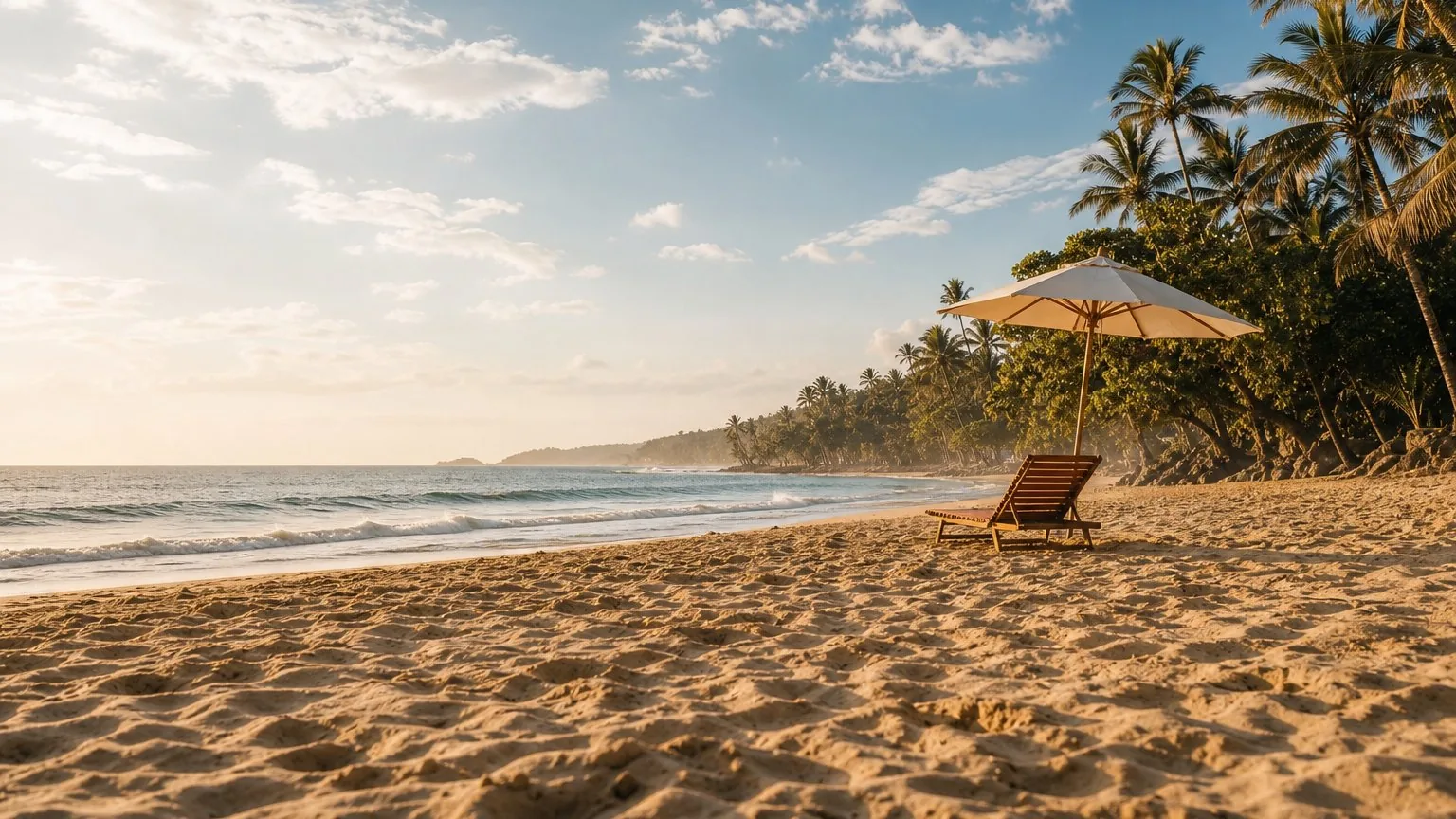
The important thing about the southern hemisphere in January is that it is not a secret. This is their summer holiday, and pricing reflects it.
New Zealand is at its best and busiest: long days, every track and road open, settled-ish weather. Best for a once-in-a-decade trip where you want everything available. Trade-off: it is school holidays and the most expensive month of the year, and popular huts and campsites book out far ahead. Skip it if you were hoping for a quiet or cheap version — February and March give you most of the summer with less of both.
Tasmania offers the same summer with less mainland heat and fewer people: walking, coastline, and a food-and-art culture disproportionate to its size. Best for walkers who find mainland Australian summer too hot. Trade-off: still peak season, and the weather changes fast enough to matter on exposed walks. Skip it if you need settled conditions.
Melbourne and the Great Ocean Road give you long evenings, a city at its most liveable and a coast road that earns its reputation. Best for a city-plus-road-trip fortnight. Trade-off: Melbourne's heat spikes are real, and the road is busy in January. Skip it if you dislike driving or heat.
Patagonia has the shortest usable window of anywhere in this article, and January is the middle of it. Torres del Paine and the Fitz Roy trails are open and the weather is as good as it gets. Best for serious trekkers with fixed dates. Trade-off: peak crowds, peak prices, relentless wind, and refugios that sell out months ahead. Skip it if you cannot book early.
Snow, Ice and Darkness
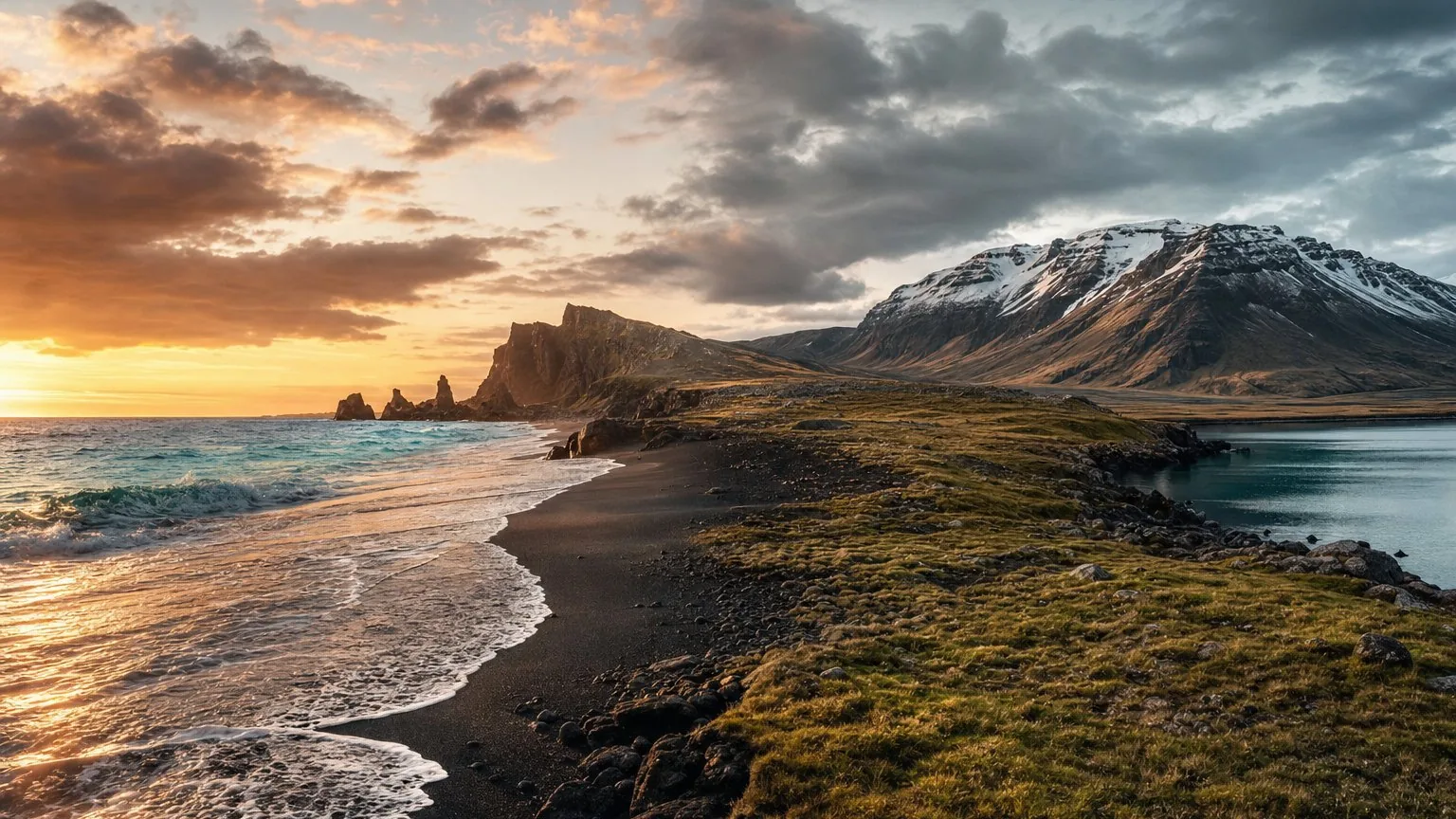
Hokkaido is the best-value great ski destination on earth in January, and the month matters: this is the deepest, driest snow of the Japanese winter. It is also worth going beyond the resorts — Otaru, Hakodate, Asahikawa and Sapporo itself make a winter trip that is not only about lifts. One timing point most roundups get wrong: the Sapporo Snow Festival is in February, not January, so a January trip gets the powder without the festival's crowds and room rates. Best for skiers, and for anyone who wants a proper winter city break. Trade-off: the logistics are serious. Skip it if you are not prepared for deep cold.
One practical note that comes up repeatedly from people who have been: do not assume you will drive. Hokkaido roads in January are snow-packed and often ice-covered, with drifting and low visibility, and a hire car there is a different proposition from a hire car in the Alps. Unless you have genuine experience of severe winter driving, the trains and organised day tours will cost you less stress than they cost in flexibility — and the rail network reaches most of what you would want to see.
Nagano and the Japanese Alps are the alternative: shorter transfers from Tokyo, excellent snow, onsen towns, and the snow monkeys at their most photogenic precisely because it is cold. Best for combining skiing with culture and hot springs. Trade-off: weekends are busy with Tokyo day-trippers. Skip it if you want the deepest powder — that is Hokkaido.
Iceland in January is aurora season, ice caves and a country with very few other visitors. What it is not is convenient: expect four to five usable hours of daylight, frequent weather closures on roads, and plans that change. Best for photographers and people who find bad weather interesting. Trade-off: the daylight, honestly. Skip it if you want to see a lot of the country, or if an aurora sighting is the whole point — the season improves your odds and guarantees nothing.
Svalbard is the most unusual entry here and the one that needs stating plainly: January is the last full month of true polar night. In Longyearbyen the sun stays more than six degrees below the horizon until around 30 January, and because of the mountains the sun's disc is not seen from town until early March. You are travelling into continuous darkness — blue twilight at midday at best. Best for travellers who want a genuinely strange month and the aurora overhead in the middle of the afternoon. Trade-off: no daylight, limited activities, real cold. Skip it if that sentence sounded like a warning rather than an invitation.
Slovenia and the Julian Alps deliver Alpine winter — Kranjska Gora, Vogel, Lake Bled frozen at the edges — at a fraction of Swiss or Austrian prices, with Ljubljana an hour away. Best for a ski or snowshoe week on a real budget. Trade-off: the ski areas are smaller and lower, so snow is less certain than in the high Alps. Skip it if you need guaranteed cover and long runs.
Quiet, Cheap and Slightly Strange
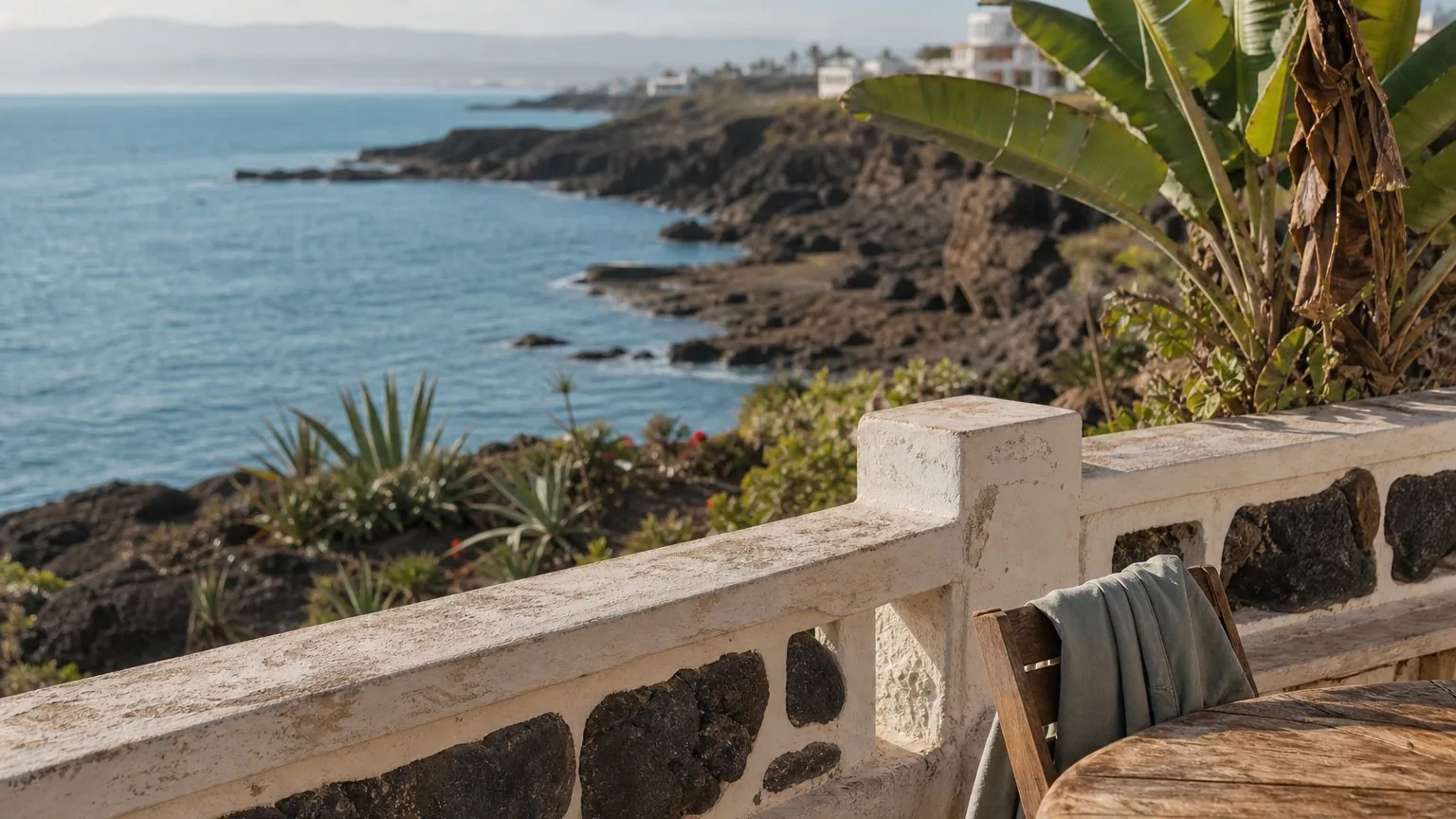
Genoa and Liguria is the least obvious entry on this list and one of the best value. Genoa is a large, genuinely lived-in Italian city that sees a fraction of Florence's visitors, and in January you have its palaces and its food to yourself. An hour inland the Ligurian Alps hold snow, so a city weekend and a snowshoe day are the same trip. Best for food, architecture and low-season prices. Trade-off: the Cinque Terre and the coastal resorts are largely shut. Skip it if you came for the coast.
Bali belongs here rather than at the top of a January list, and honestly: January is the middle of its wettest period. It is hot, green, cheaper and quieter than in August, and the rain is typically heavy for part of the day rather than constant. That can make a perfectly good trip if you plan around it — inland, cultural, spa-and-food rather than beach-dependent. Best for returning visitors who know what they want from it. Trade-off: this is the monsoon. Skip it if your trip depends on beach days, diving visibility, or anyone else's photographs of Bali in July.
What January Actually Costs
January's value signal is the most variable of any month, because the same calendar page is low season in one hemisphere and peak in the other. The scale in the table above is relative and seasonal rather than a daily budget: a $ destination is one where January is genuinely its cheap month, and a $$$$ is one where January is the most expensive month of its year.
Three patterns are worth carrying into any booking. Northern-hemisphere cities that are summer destinations — Seville, Genoa, most of southern Italy and Spain — are at their annual floor. Long-haul winter-sun destinations serving northern markets — the Canaries, the Caribbean, Costa Rica — are at or near their annual ceiling, because their high season is precisely your winter. And southern-hemisphere summer destinations are expensive for a reason that has nothing to do with you: local school holidays.
My advice: January being winter at home tells you nothing whatever about whether it is low season where you are going. The instinct that a January holiday should be cheap comes from domestic experience — flights and hotels at home are quiet — and it inverts completely the moment you fly somewhere whose peak season is driven by other people escaping their own winter, or by a summer happening on the other side of the world. Check the destination's own season before you assume a bargain, because on this list the cheap months and the good months only sometimes coincide.
Quick Picks
For couples: Madeira for walking and quiet, Oman for something more adventurous, Cartagena for a city-and-sea week, Svalbard if the relationship can take three days of darkness.
For families: Guanacaste for dependable beach days with wildlife, Tenerife for the shortest flight to reliable warmth, Nagano for a ski week that is not only skiing, Melbourne and the Great Ocean Road for older children.
For value: Andalusia and Genoa are the genuine low-season picks; Slovenia gives you Alpine winter without Alpine pricing; La Gomera and Caye Caulker cost meaningfully less than their better-known neighbours for a similar climate.
Before You Book
- Have you checked the region rather than the country, where the two differ?
- Is January the destination's dry season, or just its warm season?
- Do you know how many hours of daylight you will actually have?
- If you are going south, have you checked local school-holiday dates before assuming value?
- If the aurora is the point, is the rest of the trip worth it on a cloudy week?
- For Patagonia, New Zealand huts or Japanese powder weekends, have you booked far enough ahead?
January weather won't save the wrong hotel location
A great destination pick can still be undone by a poorly located hotel.
Frequently Asked Questions

Where is hot and dry in January?
Costa Rica's Pacific coast, Colombia's Caribbean, Barbados, Oman, Kerala and south-west Sri Lanka are all in dry season and genuinely hot. The catch is that most of them are also in their peak season, so you are paying for the reliability.
Where is warm in January without a long flight from Europe?
The Canaries and Madeira, with Cape Verde a little further for a little more heat. All are mild rather than hot — comfortable in a shirt, not guaranteed swimming weather for everyone. For genuine heat from Europe you are looking at a long-haul flight.
Where can I see snow in January?
Hokkaido and the Japanese Alps have the deepest and most reliable snow of the month. Slovenia's Julian Alps are the value option in Europe. Iceland and Svalbard are snowy but are winter-conditions trips rather than ski holidays.
Where is cheap in January?
Andalusia and Genoa are at their annual floor — southern European cities in their genuine low season. Slovenia, La Gomera, Caye Caulker and Bali all cost meaningfully less than better-known alternatives with similar conditions.
Is January a good time for Southeast Asia?
It depends entirely where. Thailand's Andaman coast and much of the mainland are in dry season and excellent. Bali is in the middle of its wettest period — still workable if you plan around rain, but not a beach-dependent trip.
Is January high season in the Southern Hemisphere?
Yes, and it is worth internalising. New Zealand, Australia and Patagonia are in summer school holidays, so January is the busiest and most expensive month of their year. February and March usually give you most of the same weather with fewer people and lower prices.
Where can I see the Northern Lights in January?
Iceland, Arctic Norway, Swedish Lapland, Finnish Lapland and Svalbard are all in aurora season, and January's long darkness helps. But season improves your odds rather than guaranteeing a sighting — you need clear skies and solar activity together. Book a trip you would enjoy regardless, and treat the aurora as the bonus.
Where should I go in January if I dislike crowds?
Andalusia, Genoa, La Gomera, Culebra and Caye Caulker are all quiet in January for different reasons. The pattern to avoid is the popular destination in its own peak — the Canary resorts, Patagonia, Queenstown and Cartagena are all busy precisely because January is their best month.
What is the best January destination for families?
Guanacaste for dependable beach days with wildlife attached, and Tenerife for the shortest flight from Europe to reliable warmth. For older children, Nagano combines skiing with onsen and cities, and the Great Ocean Road works as a summer road trip.
Further Reading
Sources and References
- Visit Svalbard and Norwegian polar-night references for the Longyearbyen dark season: true polar night to roughly 30 January, with the sun's disc not visible from town until early March.
- Sapporo Snow Festival official dates — held in February, which is why January is described here as the powder month rather than the festival month.
- National meteorological and tourism-board seasonality for the dry-season claims: Costa Rica's Pacific coast, Colombia's Caribbean, southern Sri Lanka, Kerala and Oman.
- Seasonality and pricing signals are given as relative bands rather than budgets, because a per-day figure across two dozen destinations would be out of date before publication.

Part of Plan & Budget.